What Is a Tertiary Consumer in a Food Web?
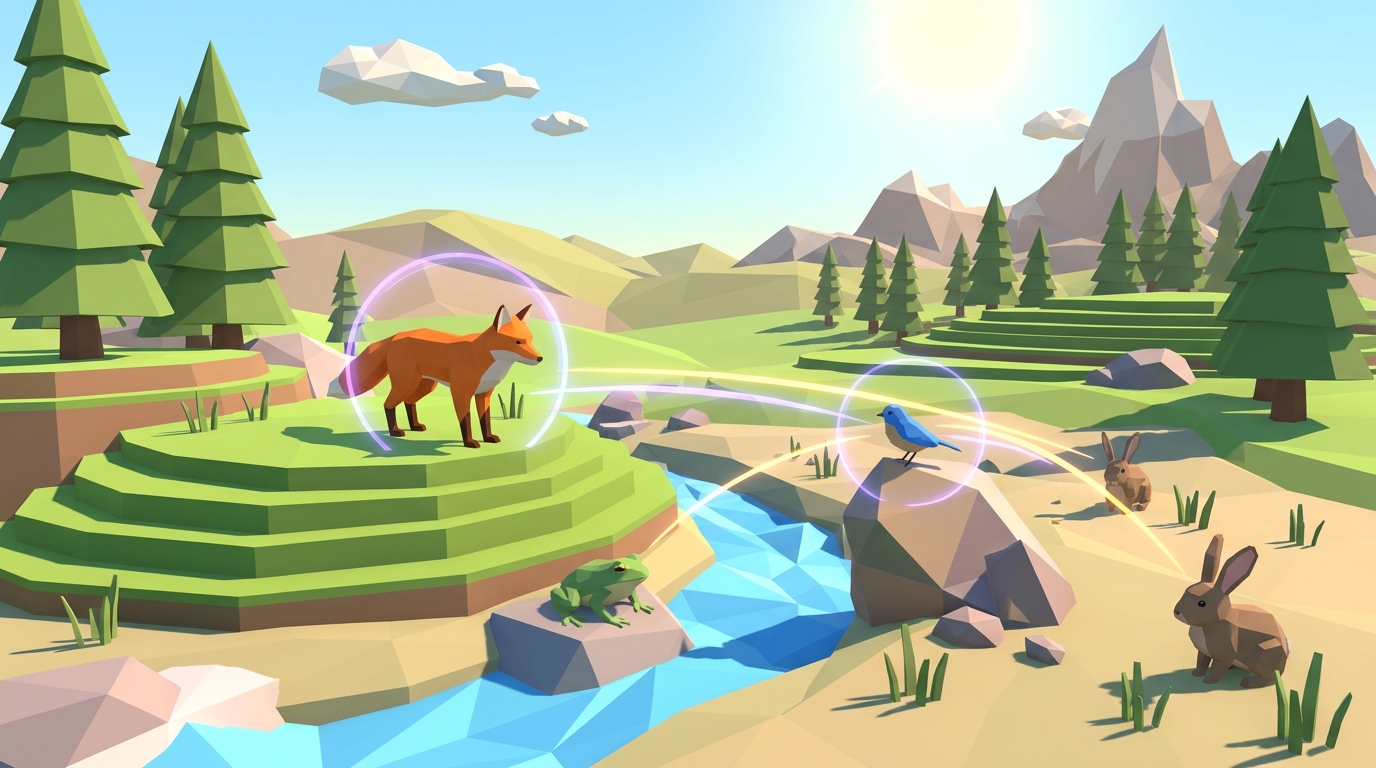
In ecological science, a tertiary consumer is an animal that feeds on secondary consumers to obtain its metabolic energy. Located at the fourth trophic level (Level 4) of a food chain or ecological pyramid, tertiary consumers are high-level carnivores or apex predators that sit near or at the very top of their biological community.
While a primary consumer eats plants (Level 1 to Level 2) and a secondary consumer eats herbivores (Level 2 to Level 3), a tertiary consumer eats the predators that ate the herbivores (Level 3 to Level 4). For instance, when a red-tailed hawk eats a garter snake that ate a meadow mouse, the hawk is functioning as a tertiary consumer.
15 Real-World Examples of Tertiary Consumers Across Biomes
Tertiary consumers exist across terrestrial, aquatic, and marine environments. Here is a comprehensive list of 15 tertiary consumers organized by their ecological biome:
| Organism | Biome | Typical Prey | Is It an Apex Predator? |
|---|---|---|---|
| Gray Wolf | Temperate Forest / Taiga | Elk, deer, beavers, coyotes | Yes (No natural predators in adult wild) |
| Red-Tailed Hawk | Open Woodlands / Meadows | Snakes, rodents, frogs, songbirds | Yes (Top avian predator) |
| Great Horned Owl | Forests & Canyons | Skunks, snakes, rabbits, hawks | Yes (Nocturnal apex hunter) |
| Orca (Killer Whale) | Polar & Open Oceans | Seals, sea lions, sharks, rays | Yes (Undisputed marine apex predator) |
| Great White Shark | Coastal Marine Biomes | Seals, sea turtles, tuna, rays | Yes (Top pelagic marine predator) |
| African Lion | Savanna / Grasslands | Zebras, wildebeest, cheetahs, hyenas | Yes (Top terrestrial carnivore) |
| American Alligator | Swamps & Rivers | Snakes, turtles, fish, waterfowl | Yes (Dominant wetland predator) |
| Bald Eagle | Coastal & Lake Regions | Large fish, seagulls, ducks, carrion | Yes (Top aquatic raptor) |
| Snow Leopard | Alpine Mountains | Blue sheep, ibex, marmots, foxes | Yes (High-altitude apex predator) |
| Moray Eel | Coral Reefs | Octopuses, crabs, carnivorous reef fish | No (Hunted by large reef sharks) |
| Black-Footed Ferret | Prairie Grasslands | Prairie dogs, mice, ground birds | No (Hunted by coyotes, badgers, hawks) |
| Snapping Turtle | Freshwater Lakes & Ponds | Frogs, fish, ducklings, snakes | Yes (Top freshwater reptile) |
| Grizzly Bear | Mountain & Boreal Forests | Salmon, deer, rodents, berries | Yes (Top apex omnivore/carnivore) |
| King Cobra | Tropical Rainforests | Other snakes, lizards, small mammals | Yes (Specialist snake predator) |
| Peregrine Falcon | Cliffs & Coastal Skies | Ducks, pigeons, shorebirds, bats | Yes (Fastest aerial predator on Earth) |
Tertiary Consumers vs. Apex Predators: What Is the Difference?
While the terms tertiary consumer and apex predator are often used interchangeably in classroom discussions, there is a clear ecological distinction:
Tertiary Consumer is a positional definition describing any organism that feeds at the fourth trophic level. A black-footed ferret in a prairie food chain or a moray eel is a tertiary consumer because it eats secondary consumers, but it can still be preyed upon by larger carnivores.
Apex Predator is a status definition indicating that an animal resides at the absolute top of its food chain with zero natural predators in its adult life (such as an orca, wolf, or lion). All apex predators are tertiary (or quaternary) consumers, but not all tertiary consumers are apex predators.
All apex predators are tertiary consumers, but a tertiary consumer is only an apex predator if nothing else hunts it in the wild.
The 10% Rule: Why Tertiary Consumers Are Naturally Rare
According to Lindemans 10% Ecological Efficiency Rule, only about 10% of the energy stored as biomass in one trophic level is successfully transferred to the next. The remaining 90% is dissipated as metabolic heat, respiration, and movement.
In practical numbers: 100,000 kilograms of prairie grass supports roughly 10,000 kg of grasshoppers (Level 2), which supports 1,000 kg of songbirds (Level 3), which in turn can only support 100 kg of red-tailed hawks (Level 4). This dramatic thermodynamic energy bottleneck explains why tertiary consumers require massive hunting ranges and maintain small population numbers.
What Happens When a Tertiary Consumer Goes Extinct?
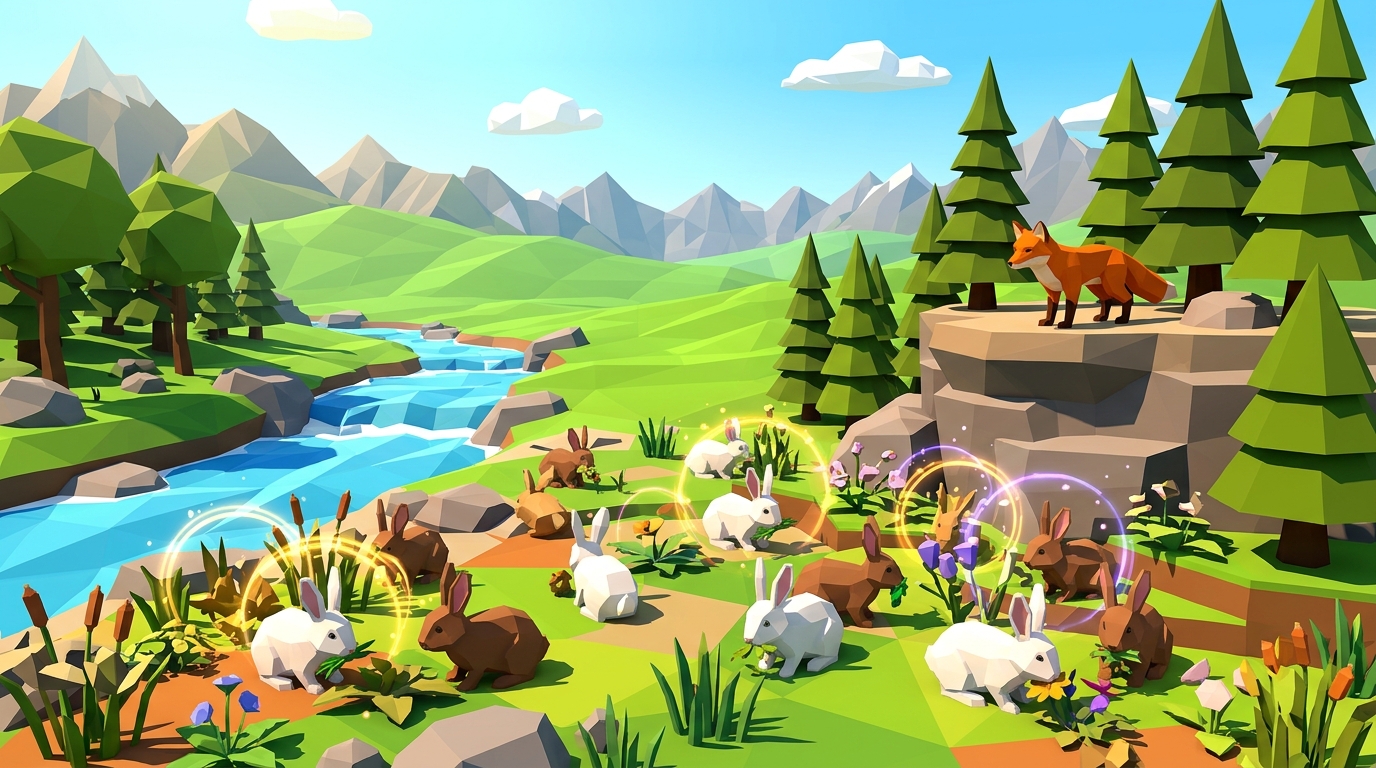
The removal of tertiary consumers triggers a destructive ecological phenomenon known as a top-down trophic cascade, famously documented in Yellowstone wolf reintroduction studies:
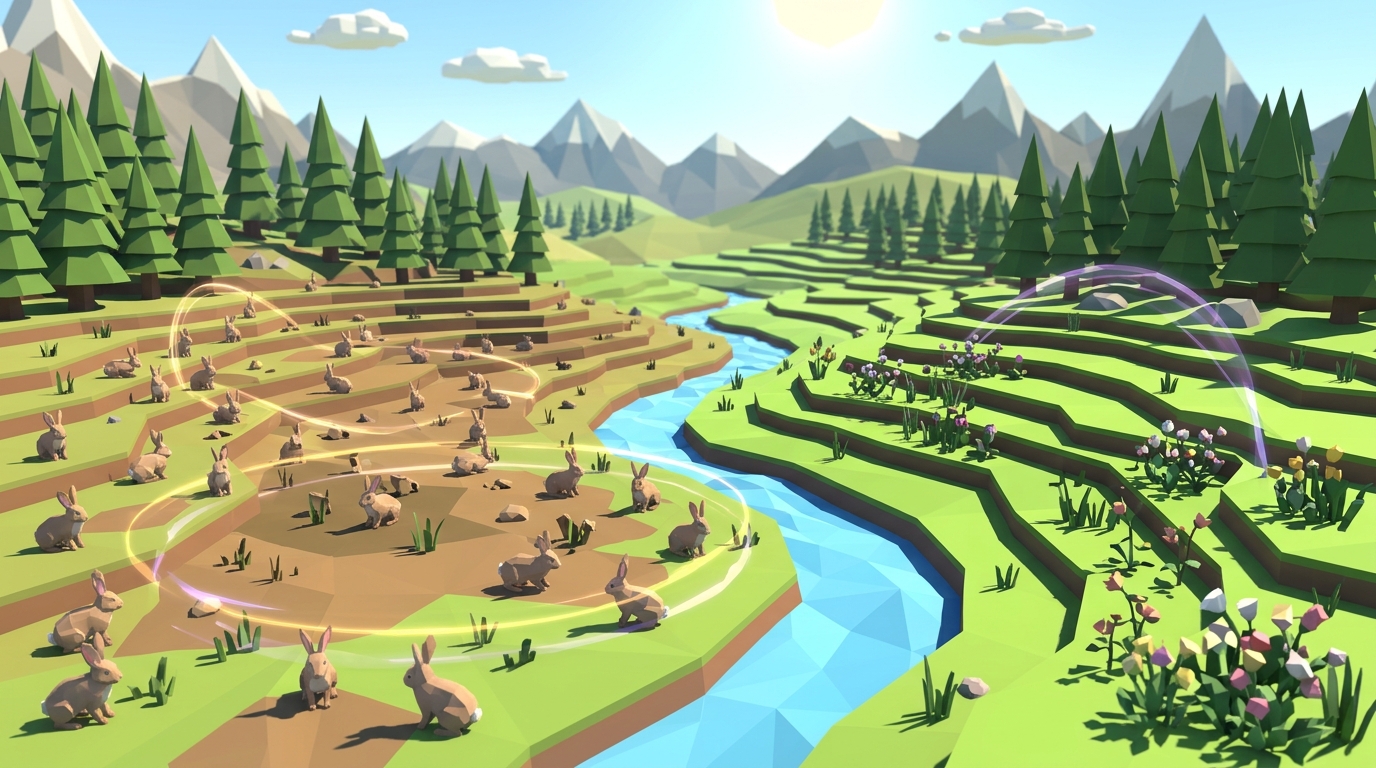
1. Mesopredator Release: Mid-tier predators (secondary consumers) explode in numbers because their primary population check has been removed.
2. Primary Consumer Collapse: Overabundant mesopredators overhunt primary consumers, driving small herbivores toward local extinction.
3. Habitat Degradation: Without balanced herbivore and carnivore regulation, the entire ecosystem loses resilience and biodiversity.
Simulate Apex Predators in a Free 3D Laboratory
Explore how top predators shape vegetation, rivers, and herbivore populations using Praxos Ecosystem. Adjust predator density sliders, run multi-year simulations, and test trophic cascade hypotheses in real time.
All 10 simulation missions and the complete 24-page Expedition Science Journal are 100% free with email. Level 1 starts instantly in your browser with zero registration.
Experience top-down predator control and multi-trophic energy dynamics in our free browser sandbox.
LAUNCH FREE 3D LABTrophic Pyramid & Food Web Worksheet
Color-coded energy pyramid printouts, apex predator case studies, and hypothesis tracking sheets.