The Jigsaw Puzzle vs The Spider Web
When intelligent children encounter a multi-step school project, a complex math puzzle, or an unexpected real-world challenge, they often treat it like a 1,000-piece jigsaw puzzle where finding the first corner feels completely paralyzing.
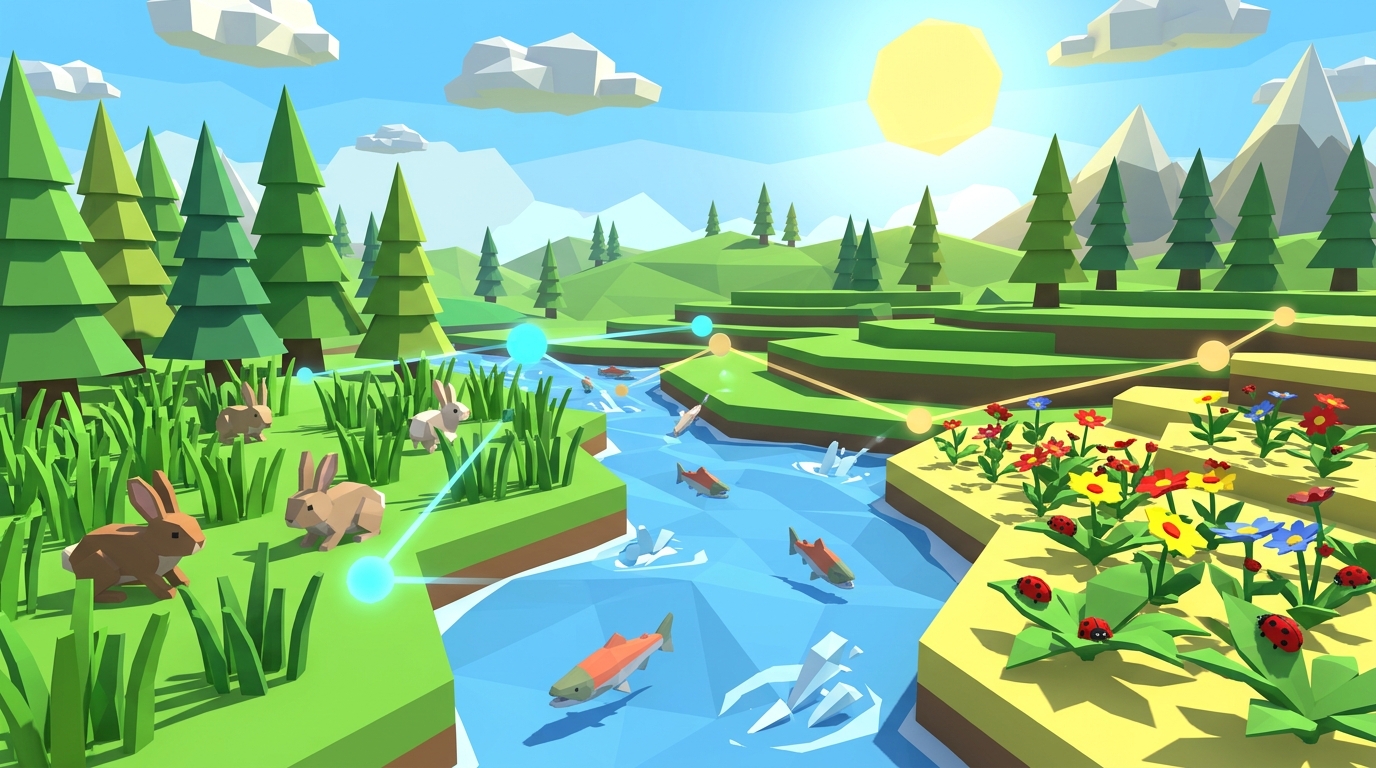
In reality, complex systems are structured like spider webs. If you gently touch a single strand on the outer edge, three other connecting strands vibrate across the web. Once children learn to recognize these connections and understand feedback loops, they stop feeling paralyzed and start experimenting with calm, methodical curiosity.
Whenever your child says "I don't know where to begin!", encourage them to pick just one single independent variable to change and observe what responds next.
The Variable Isolation Method: How Scientists Solve Chaos
When multiple forces are changing at the same time, human intuition struggles to determine which factor caused the outcome. This is why professional engineers and field scientists rely on variable isolation.
By holding all other conditions steady (such as keeping rainfall constant while gradually adjusting sunlight), children learn to isolate cause from correlation. This methodical discipline builds patience and prevents emotional frustration.
Using Visual Arrow Maps to Unclutter Working Memory
Children are inherently visual and spatial learners. When you ask a 9-year-old to hold four abstract cause-and-effect steps in their working memory simultaneously, cognitive overload sets in rapidly.
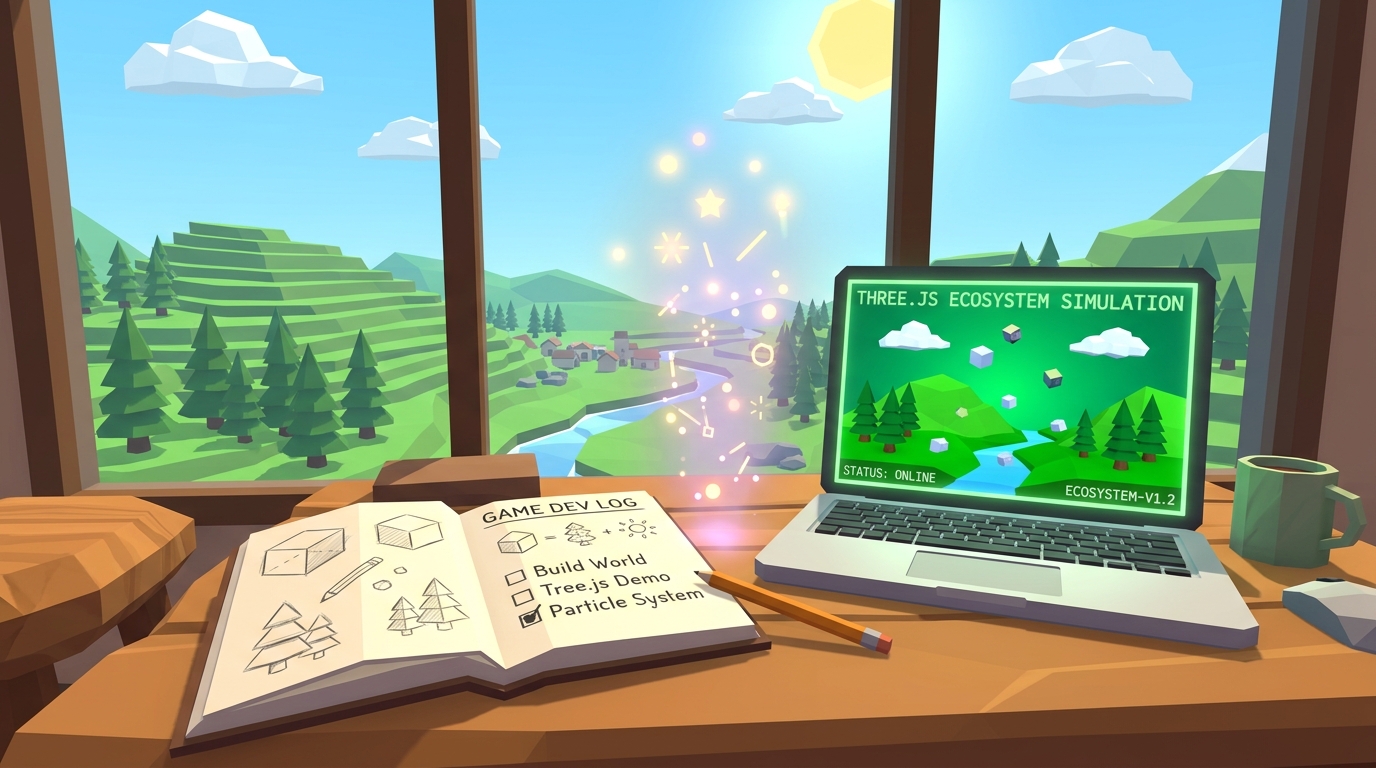
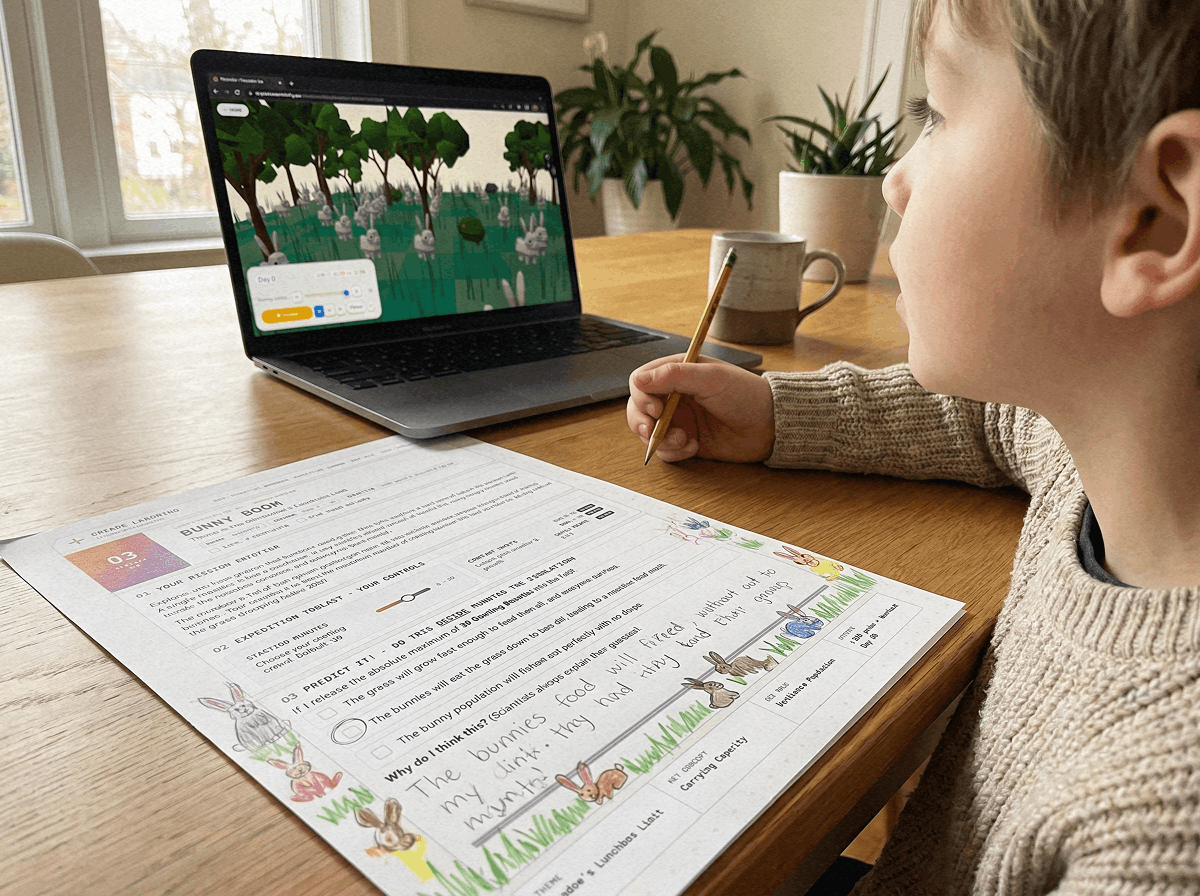
Drawing a simple loop on paper in a physical science journal gives their thoughts a permanent physical structure. It transforms overwhelming anxiety into an organized, step-by-step experiment.
In Level 2 of Ecosystem, kids learn to adjust one slider at a time to keep meadow patches green and healthy.
PLAY LEVEL 2 LABIsolate Variables One by One
Start with Level 1 instantly in your browser (no sign-up needed). Unlocking the full lab with your email lets your child test Level 2 to practice isolating sunlight and water variables and observe how multiple forces interact.
3 Causal Loop Scenarios to Map Together at Home
1. The Morning Routine Loop: Map how waking up 15 minutes earlier reduces rushing, which lowers morning stress, improves school focus, and leads to smoother evening homework.
2. The Plant Care Loop: Sketch how consistent watering builds strong root networks, enabling the plant to absorb soil minerals faster and resist summer heatwaves.
3. The Habit Loop: Illustrate how putting shoes in the basket immediately prevents 10 minutes of frantic searching the next morning.
The System Decomposition Framework: Chunking Multi-Variable Chaos
When academically gifted or highly analytical children encounter complex, open-ended problems, they often experience cognitive paralysis. Unlike linear school math problems where a single formula yields a single correct answer, real-world systems contain dozens of interdependent variables that change simultaneously.
The remedy is teaching the System Decomposition Framework: a systematic method for breaking massive problems into isolated, testable modules. Guide the child to draw a boundary around the problem and list every moving part on index cards. Next, instruct them to classify each component as an Input (something we control), a State Variable (the condition of the system), or an Output (the final metric we measure).
By freezing all variables except one, the student regains cognitive control. In a 3D ecology simulation, for example, rather than adjusting sunlight, rainfall, plant species, and herbivore counts all at once, the child tests only sunlight across 5 trials while holding all other factors constant. This builds unshakable confidence in navigating multi-variable complexity.
Parent Playbook: Transitioning from Perfectionist Anxiety to Experimental Curiosity
Perfectionism in young learners is often rooted in fear of producing an incorrect outcome. To dismantle this anxiety, consciously shift your verbal praise from results to experimental rigor.
Instead of saying Great job getting the ecosystem balanced on your first try!, say I love how carefully you recorded your data when the population crashed; your notes on the predator-prey ratio were spot on. This reframes the entire activity from a high-stakes test of intelligence into an ongoing laboratory investigation.
Create explicit sandbox sessions where the stated goal is not to balance the system, but to intentionally find its breaking points. Ask: Can you find the exact tipping point where the food web collapses? By making failure an intentional target of inquiry, children lose their fear of mistakes and develop true scientific resilience.