What Type of Eater Would a Secondary Consumer Be Called?
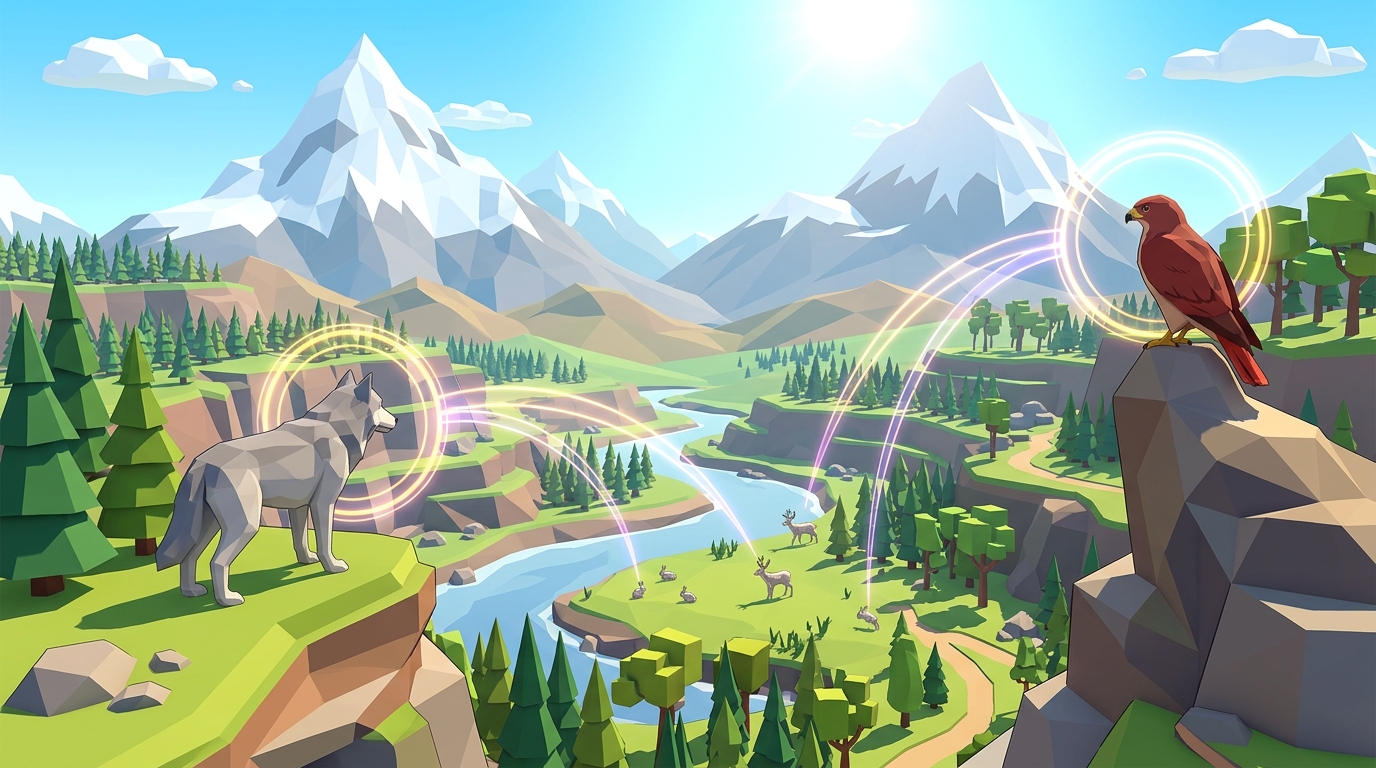
A secondary consumer is classified as either a carnivore (meat-eater) or an omnivore (plant-and-meat eater). In ecological terms, secondary consumers occupy the third trophic level in an energy pyramid, directly above primary consumers (herbivores) and two steps above primary producers (sun, rain, and plant energy).
While primary consumers eat exclusively autotrophic plants, secondary consumers obtain their biological energy by hunting, capturing, or scavenging herbivores. Because some secondary consumers also supplement their diet with berries, seeds, or aquatic flora, the biological classification depends on their specific species behavior within the habitat.
A secondary consumer is called a carnivore or an omnivore. They eat primary consumers (herbivores) to obtain energy.
Carnivore vs. Omnivore: The Two Eater Classifications
To understand how secondary consumers function within food webs, consider the distinction between the two dietary strategies:
1. Obligate and Facultative Carnivores: Predators such as plains garter snakes, insectivorous frogs, spiders, and ladybugs consume other animals exclusively. A frog that feeds solely on grasshoppers and flies is an obligate carnivore acting as a strict secondary consumer.
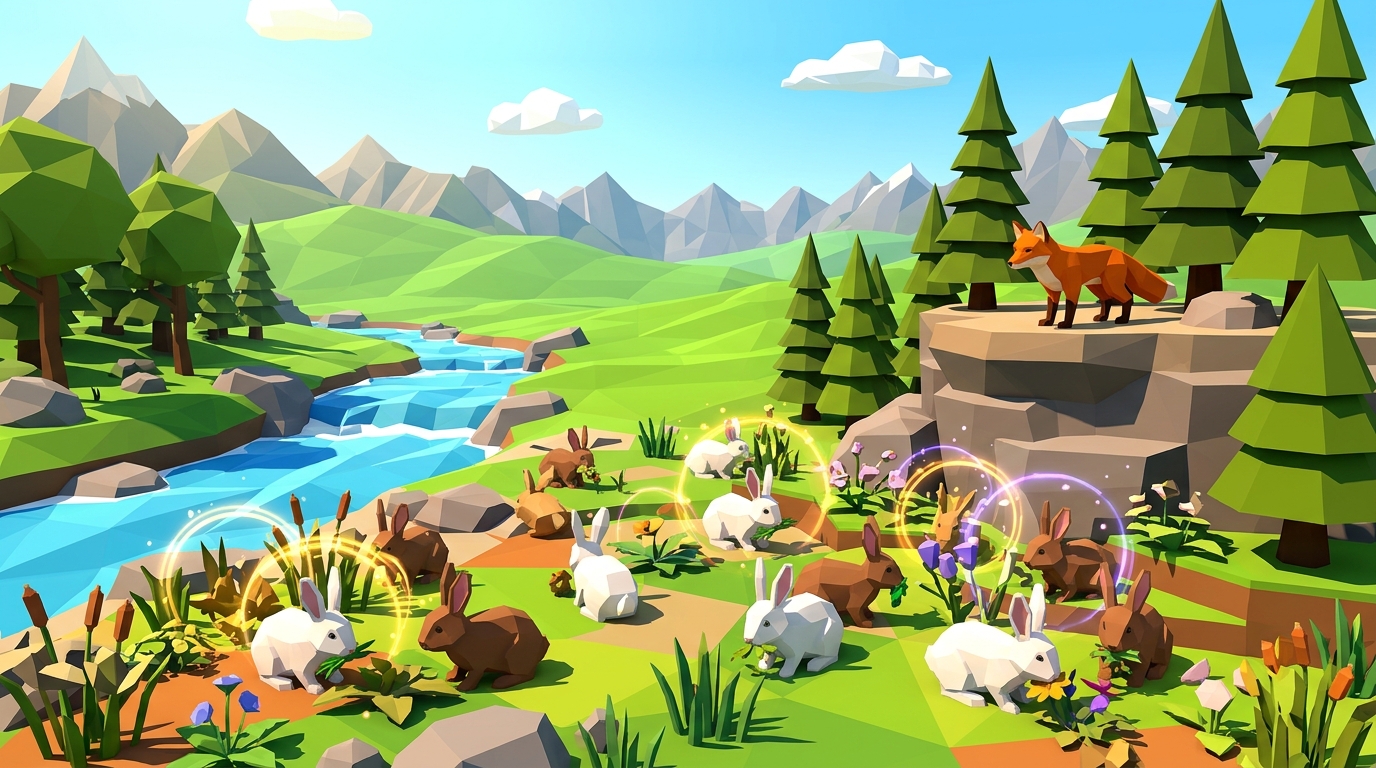
2. Opportunistic Omnivores: Animals such as raccoons, red foxes, black bears, and songbirds eat both plant matter and animal tissue. A red fox that grazes on wild blueberries in the morning and hunts meadow voles in the evening operates simultaneously as a primary consumer and a secondary consumer.
10 Representative Secondary Consumers Across Global Biomes
Secondary consumers fill essential regulatory roles in every major biome on Earth. Here are 10 representative examples classified by ecosystem and dietary type:
| Organism | Biome | Diet Type | Primary Prey / Food Source | Trophic Role |
|---|---|---|---|---|
| Red Fox | Temperate Forest | Omnivore | Rabbits, mice, berries, insects | Regulates rodent populations & disperses seeds |
| Western Meadowlark | Grassland / Prairie | Carnivore (Insectivore) | Grasshoppers, crickets, beetles | Controls agricultural insect pests |
| Green Tree Frog | Wetlands / Freshwater | Carnivore (Insectivore) | Flies, mosquitoes, moths | Key mid-tier wetland predator |
| Bluegill Fish | Lakes & Ponds | Carnivore | Zooplankton, aquatic insect larvae | Transfers plankton energy to larger fish |
| Atlantic Herring | Marine / Coastal | Carnivore (Planktivore) | Copepods, krill, small crustaceans | Vital marine forage fish feeding apex predators |
| Sea Otter | Kelp Forest | Carnivore | Sea urchins, crabs, clams | Keystone species protecting kelp forests from urchins |
| Plains Garter Snake | Meadow / Forest Edge | Carnivore | Field mice, slugs, earthworms | Suppresses small rodent density |
| Orb-Weaver Spider | Forest & Garden | Carnivore | Aphids, caterpillars, moths | Top invertebrate predator in canopy layers |
| American Robin | Deciduous Woodlands | Omnivore | Earthworms, caterpillars, berries | Ground-foraging insect and fruit feeder |
| Seven-Spot Ladybug | Agricultural Fields | Carnivore | Aphids, scale insects | Natural biological pest control for plant crops |
Secondary Consumers in the Marine Biome
Marine ecosystems exhibit vast secondary consumer networks. In the ocean, microscopic phytoplankton (primary producers) are eaten by zooplankton and krill (primary consumers). Secondary consumers in the marine biome include small schooling fish (such as sardines and herring), jellyfish, baleen filter feeders, and squid.
These marine secondary consumers serve as the vital biological bridge of the ocean: without them, the massive energy stored in billions of microscopic plankton could never reach larger tertiary consumers or maintain the balance of an aquatic food chain.
What Happens If Secondary Consumers Are Removed?
When secondary consumers disappear from an ecosystem due to habitat fragmentation, disease, or pesticides, the food web undergoes a bottom-up and top-down imbalance:
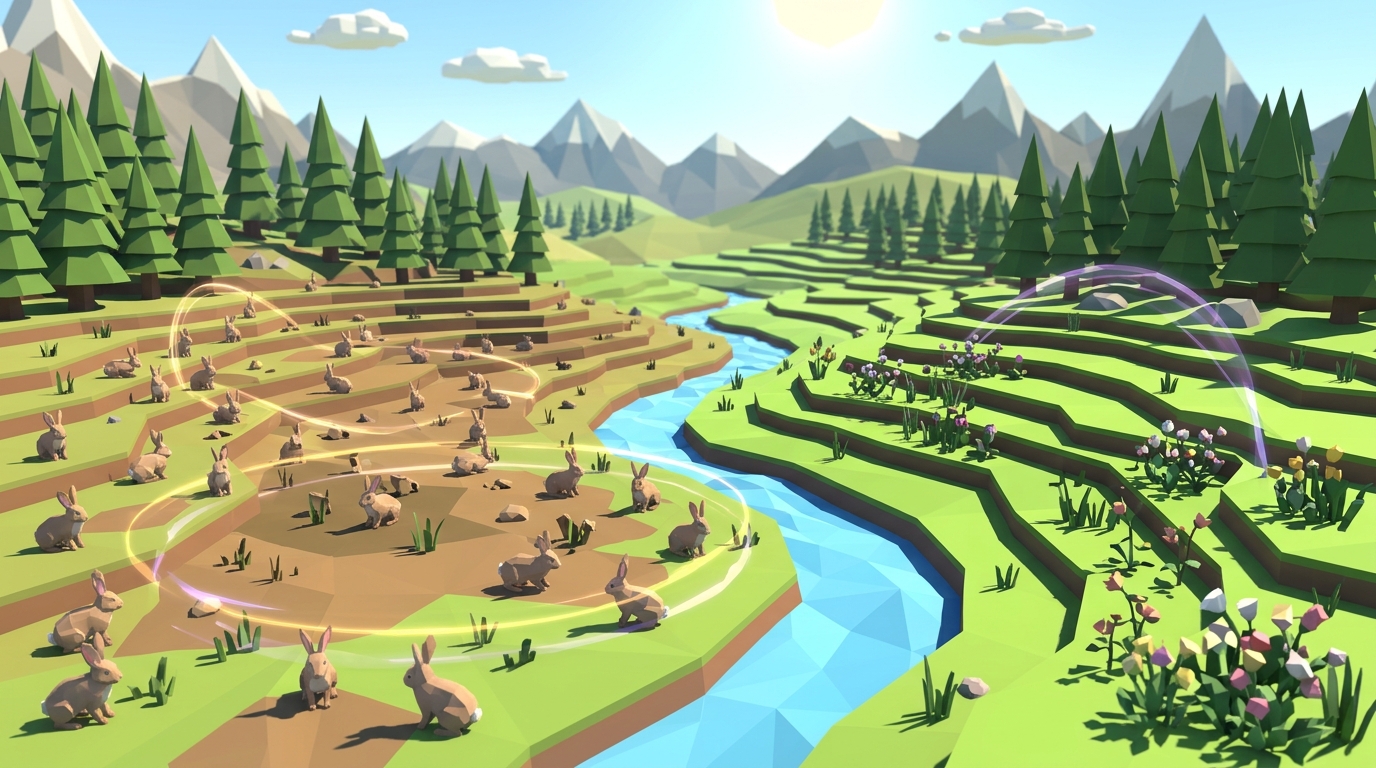
1. Herbivore Explosions: Primary consumer populations (like grasshoppers or mice) multiply without check, devouring native grasses and crops.
2. Producer Depletion: Excessive grazing strips the soil of plant cover, leading to erosion and desertification.
3. Starvation of Apex Predators: Tertiary consumers and apex raptors lose their primary food supply, leading to secondary extinction cascades, much like the Yellowstone trophic cascades.
Secondary consumers are nature’s balance wheel. They protect plants from being overgrazed by herbivores while sustaining apex predators at the top of the pyramid.
Observe Secondary Consumers in a Live 3D Simulation
Rather than just memorizing vocabulary for a test, students can observe secondary consumer dynamics in action with Praxos Ecosystem.
In Level 4 (The Gray Shadow), watch what happens when you introduce foxes to an overpopulated rabbit meadow. See the real-time population curves stabilize into rhythmic dynamic equilibrium waves.
All 10 simulation levels and the 24-page Expedition Science Journal are 100% free with email. Level 1 starts instantly in your browser with zero registration.
Watch secondary consumers regulate herbivore populations in real time inside our free 3D digital laboratory.
LAUNCH FREE 3D LABFree 24-Page Expedition Science Journal
Includes trophic pyramid diagrams, consumer classification tables, and reflection sheets.