The Four Spheres: What a Modern Earth Science Curriculum Must Cover
For decades, traditional Earth science was taught through rote classification: memorizing Mohs hardness scale for minerals, labeling cloud shapes on paper worksheets, or reciting the layers of the Earth without understanding how they interact.
Modern science standards (including the Next Generation Science Standards, or NGSS) approach Earth science through systems thinking. Our planet operates as a massive closed system powered by two heat engines: internal radioactive decay driving plate tectonics, and external solar radiation driving weather, ocean currents, and biological photosynthesis.
An effective Earth science curriculum organizes study around four fundamental spheres:
1. The Geosphere: Rocks, minerals, volcanic activity, earthquakes, tectonic plate movement, soil horizons, and the continuous rock cycle.
2. The Hydrosphere: The global water cycle, ocean currents, groundwater aquifers, river erosion, and freshwater distribution.
3. The Atmosphere: Air density, atmospheric pressure, weather fronts, prevailing wind patterns, cloud formation, and global climate bands.
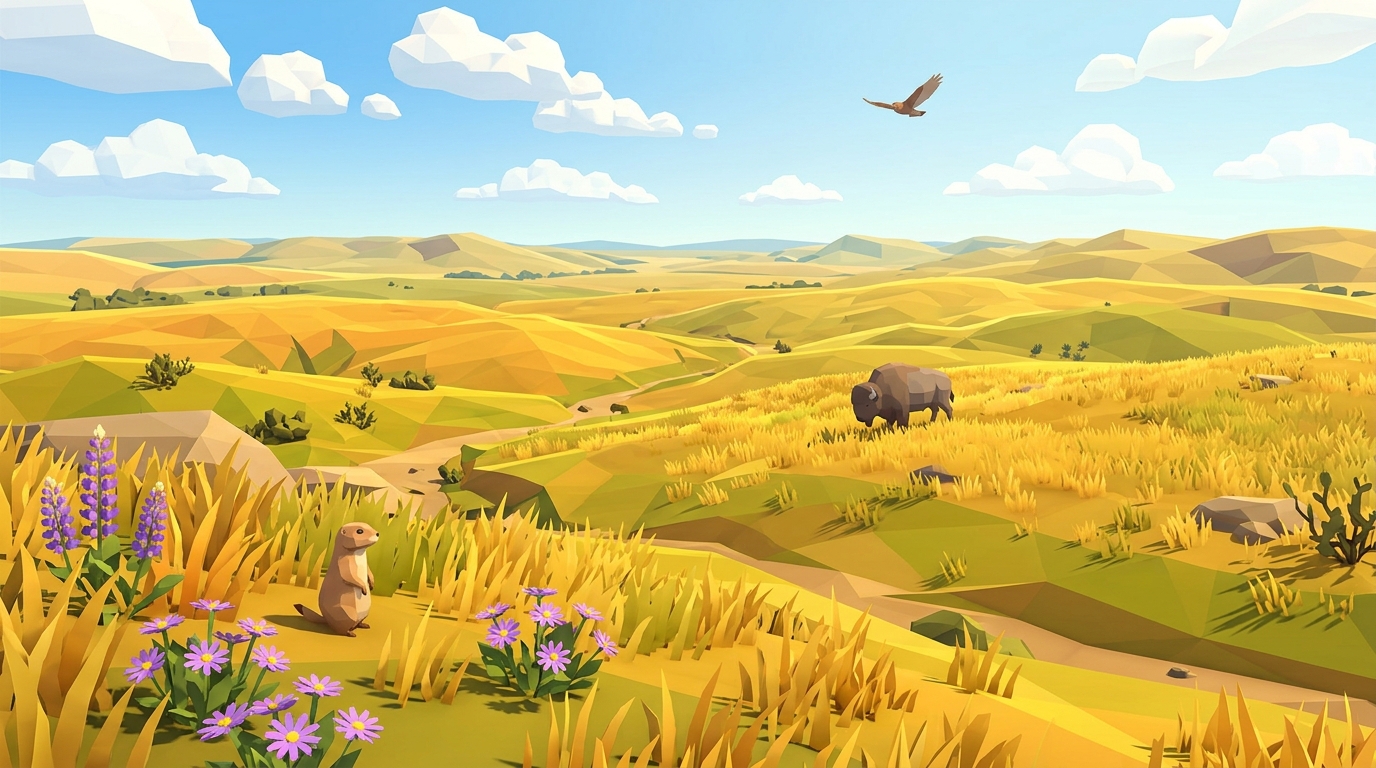
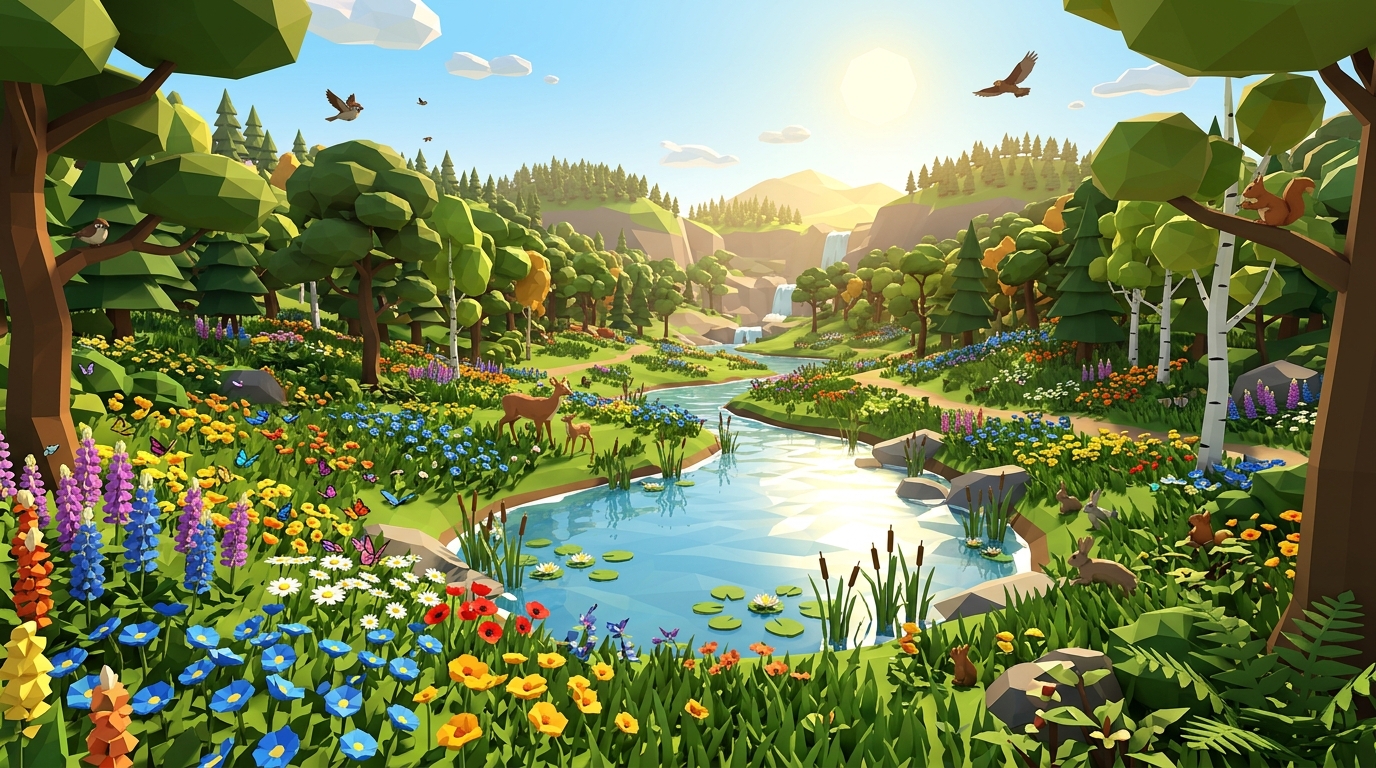
4. The Biosphere: How abiotic conditions (sunlight, rainfall, soil chemistry) give rise to distinct planetary biomes, from tundra to temperate grasslands and rainforests.
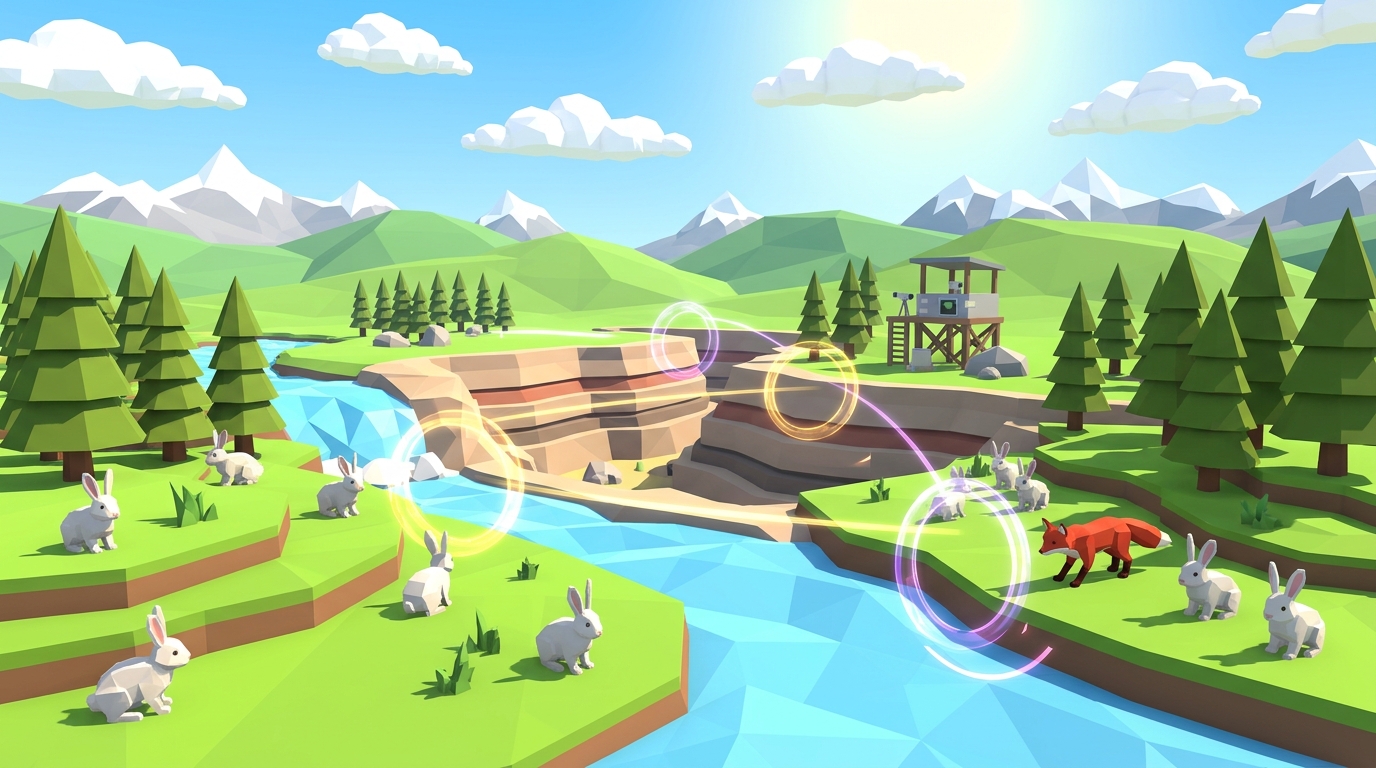
Earth science integrates four dynamic spheres: Geosphere (solid rock and soil), Hydrosphere (water and ice), Atmosphere (air and weather), and Biosphere (living organisms). Every geological and meteorological event involves energy exchanging across these four realms.
Earth Science Scope and Sequence: Grades 3 Through 8
Designing an Earth science scope and sequence requires matching developmental readiness with conceptual complexity. Elementary students thrive on observable phenomena, while middle schoolers can model invisible thermodynamic and tectonic mechanisms.
| Grade Band | Primary Focus Area | Core NGSS Concepts | Hands-On Investigation / Digital Lab |
|---|---|---|---|
| ELEMENTARYGrade 3 Science Curriculum | Weather, Seasons & Climate Zones | Predicting local weather patterns; recording temperature and rainfall; world climate zones; fossil evidence of past environments | Daily weather tracking log; seed germination under varying light and moisture |
| ELEMENTARYGrade 4 Elementary Science | Earth Surfaces & Erosion Dynamics | Physical and chemical weathering; water and wind erosion; mapping landforms; analyzing rock layers for historical clues | Stream table sediment modeling; testing soil water retention with coffee filters |
| UPPER ELEMENTARYGrade 5 Science Curriculum | Earth System Interactions & Water Resources | The 4 Earth spheres; freshwater vs saltwater distribution; shadow length and solar patterns; role of gravity in Earth systems | Modeling sphere interactions; tracking water evaporation rates; 3D ecosystem biome simulation |
| MIDDLE SCHOOLGrades 6-8 Middle School | Geological Time, Tectonics & Climate Systems | Plate tectonic theory; convection currents in the mantle; rock cycle pathways; atmospheric cycling and Coriolis effect; geoscience data analysis | Plate boundary simulations; thermal convection beaker lab; testing abiotic carrying capacity in 3D |
Integrating Earth Science with Physical and Life Sciences
One of the greatest pitfalls in science education is dividing subjects into rigid, isolated categories. In reality, Earth science cannot be separated from physics, chemistry, or biology.
Physical Science Connection: Understanding ocean currents, wind belts, and mantle plumes requires physical science concepts like density, thermal energy transfer, and gravitational potential. When cold, saline ocean water sinks at the poles, it drives global thermohaline circulation: an entirely physical process that regulates worldwide climate.
Life Science and Ecology Connection: Living organisms cannot survive without physical Earth inputs. Atmospheric carbon dioxide and solar radiation fuel plant photosynthesis, while mineral weathered from bedrock provides nitrogen, phosphorus, and potassium. In turn, living roots stabilize mountain slopes against erosion, and oceanic phytoplankton produce over 50% of atmospheric oxygen.
To explore how Earth systems connect with life science in your homeschool or classroom, review my companion guides on earth science homeschool curriculum, life science homeschool curriculum, and photosynthesis and abiotic factors.
Why Digital Simulation Labs Transform Abstract Earth Systems
Earth science poses a unique pedagogical hurdle: most processes occur across spatial scales too vast to touch (continents colliding) or temporal scales too slow to watch (canyons carving over millions of years).
While paper diagrams provide baseline definitions, they fail to demonstrate dynamic equilibrium. When students only read about weather or biomes in a textbook, they cannot see how a 10% decrease in precipitation cascades through soil moisture, plant growth, and animal survival.
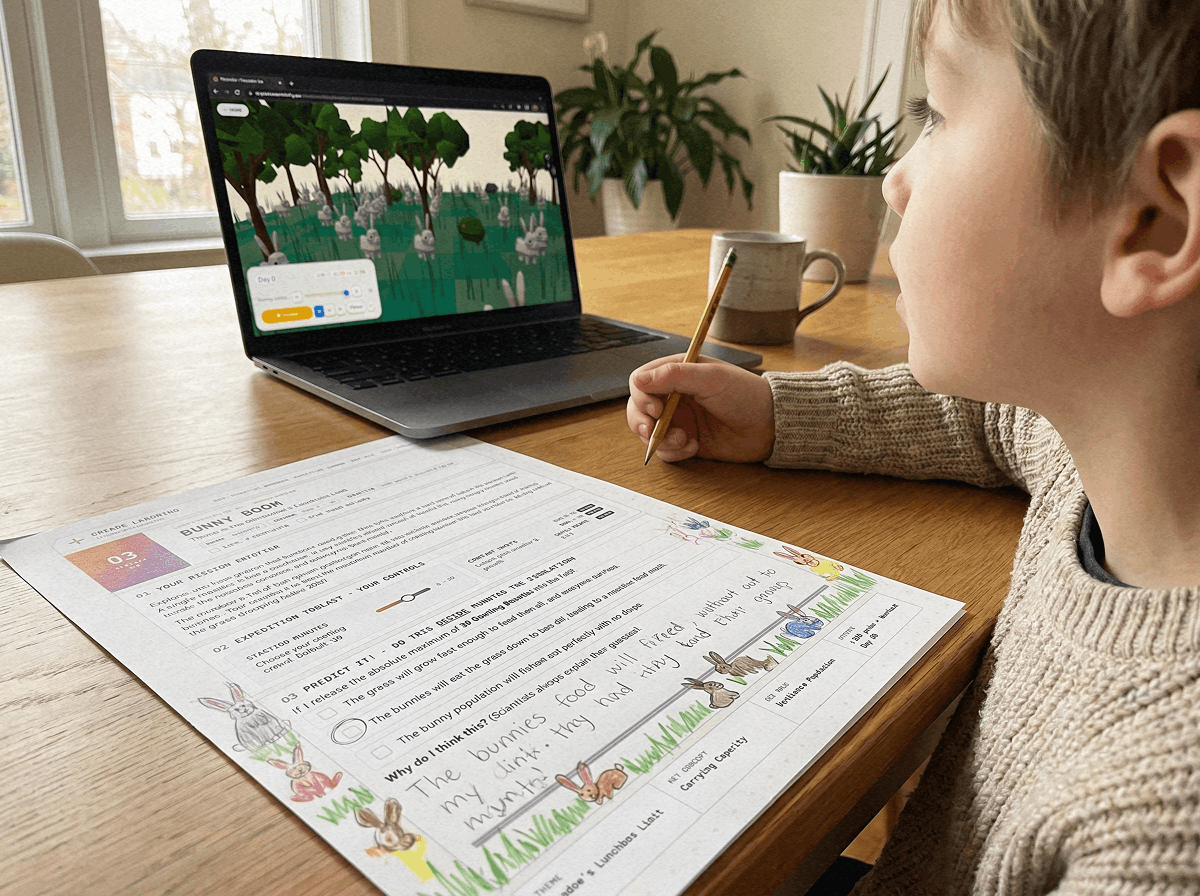
In my curriculum framework, I pair hands-on physical logging with interactive 3D digital laboratories. Students use a pencil-first method: recording an explicit hypothesis in their physical lab journal before testing the variable in an interactive simulation.
This dual-method approach bridges abstract planetary mechanics with concrete cause-and-effect inquiry.
When students control rainfall, sunlight, and soil parameters directly in a simulation, Earth science shifts from passive vocabulary memorization to active scientific discovery.
Frequently Asked Questions About Earth Science Curriculum
Practical answers for homeschool parents, science department leads, and elementary educators.
At what grade level should Earth science be taught?
How does an Earth science curriculum differ from a physical science curriculum?
Can Earth science be taught effectively without expensive laboratory equipment?
Are the simulation missions and curriculum printables free?
Test Earth System Abiotic Variables in 3D
Give students hands-on control over planetary variables. Watch how solar radiation, moisture cycles, and terrain govern life in an open browser laboratory.
Level 1 is available immediately with no account or download required. Access all 10 levels and download the printable companion journal free with your email.
Step inside Level 01: Solar Spark to manipulate sunlight and precipitation, observing live ecological responses in real time.
START LEVEL 1 FREEEarth Science Scope & Pacing Guide (PDF)
A complete multi-grade Earth science unit planner, NGSS alignment map, and hands-on lab investigation sheets for homeschool and classroom teachers.