The 5 Sub-Disciplines of a Complete Biology Curriculum
Biology is the scientific study of life, but life operates across wildly different scales: from sub-microscopic molecular machines inside a single cell to planetary-scale biomes spanning thousands of miles.
When designing or selecting a homeschool biology curriculum, ensuring coverage across all five core life science sub-disciplines provides a comprehensive foundation:
1. Cellular Biology & Biochemistry: How cells extract energy through photosynthesis and cellular respiration, transport nutrients across membranes, and divide via mitosis.
2. Genetics & Heredity: DNA structure, Mendelian inheritance traits, dominant vs recessive alleles, and how genetic variations fuel natural selection.
3. Botany & Zoology (Organismal Biology): Plant anatomy, vascular systems, animal classification, physiological adaptations, and invertebrate vs vertebrate anatomy.
4. Human Anatomy & Physiology: The major organ systems (circulatory, respiratory, nervous, digestive) and how they coordinate to maintain internal homeostasis.
5. Ecology & Systems Biology: Energy flow through food webs, trophic pyramids, predator-prey feedback loops, carrying capacity limits, and ecosystem resilience.
A balanced grades 3-8 biology curriculum spans five pillars: Cellular Biology, Genetics, Organismal Diversity (Botany and Zoology), Human Physiology, and Ecology. Starting with macroscopic ecology builds intuitive systems thinking before zooming in to microscopic biochemistry.
Comparing 5 Major Homeschool Biology Approaches
Homeschool families approach life science through different instructional philosophies. Each format offers distinct strengths and pedagogical trade-offs:
| Curriculum Approach | Best Suited For | Primary Strengths | Key Limitations | Lab Experience Format |
|---|---|---|---|---|
| TRADITIONALTraditional Textbook Mastery | Independent high school prep | Structured chapter tests, comprehensive glossaries, clear scope | Prone to passive reading and rapid vocabulary burnout | Static paper worksheets or optional kitchen chemistry |
| CHARLOTTE MASONClassical / Living Books | Literature-rich homeschools | Vivid historical biographies, deep nature journaling, high student engagement | Often light on quantitative data analysis and formal physics/chemistry ties | Outdoor nature journaling and physical sketching |
| FAMILY STYLEUnit Studies / Thematic | Multi-age family learning | Highly immersive topic deep-dives (e.g. marine life or rainforests) | Can leave unintentional curriculum gaps if not carefully tracked | Hands-on crafts, field trips, and dioramas |
| HANDS-ON KITSBoxed Lab Kit Programs | Tactile kinesthetic learners | Real glassware, preserved specimens, and physical dissection trays | High recurring expense, messy cleanup, one-and-done consumable reagents | Physical specimen dissection and microscope slides |
| RECOMMENDED STEMHybrid Digital Lab + Physical Journal | Inquiry-driven STEM students | Real-time population modeling, zero mess, infinite variable testing, pencil-first data tracking | Focuses heavily on systems ecology and requires screen access for digital trials | Interactive 3D simulation sandbox + printable 24-page logbook |
Why Ecology and Systems Biology Are the Ideal Starting Point for Kids
Many traditional curricula make the mistake of starting elementary and middle school biology at the microscopic level: demanding that 9-year-olds memorize the parts of a mitochondrion or recite the stages of the Krebs cycle before they understand how living organisms interact.
Starting with macroscopic ecology is vastly more effective. Children already have intuitive daily experiences with plants, sunshine, insects, and animals. When you teach trophic levels, food webs, and carrying capacity, they can immediately visualize the concepts.
Once students understand how a plant converts solar energy into food, zooming into the chloroplast to explain photosynthetic chlorophyll feels like solving a mystery rather than memorizing dry jargon.
To see how ecology connects with other sciences in your homeschool scope, review my guides on life science homeschool curriculum, earth science curriculum guide, prairie ecosystem food chain, and zoology homeschool curriculum.
How Interactive Digital Simulations Elevate Biology Labs
Traditional biology laboratories suffer from two major constraints: safety/cost limitations and time lag. A student cannot safely observe a predatory wolf pack hunting in their backyard, nor can they wait 40 years to observe natural selection in slow-breeding mammals.
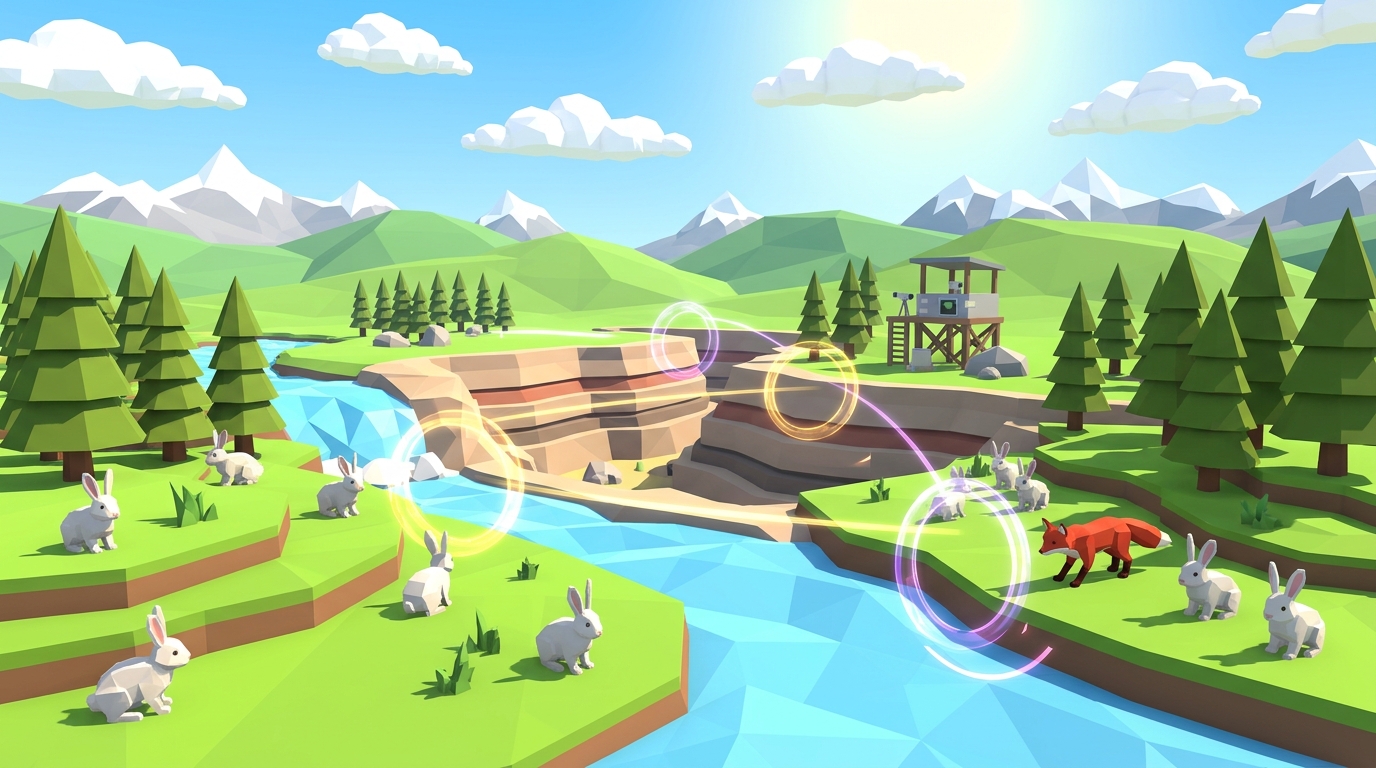
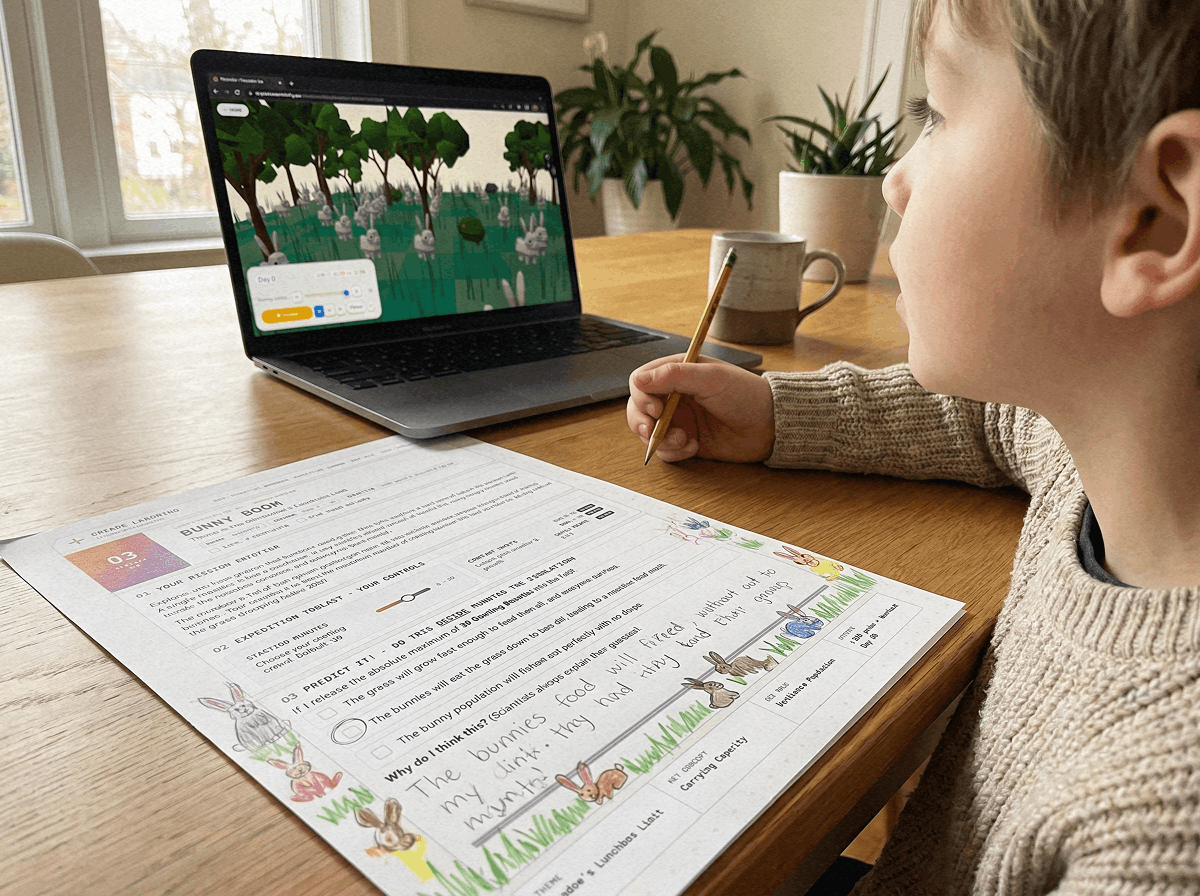
Digital laboratories solve this problem by compressing time and visualizing dynamic systems. In an interactive 3D simulation, students can adjust abiotic sunlight, introduce new herbivores, or remove apex predators and observe 50 generations of population dynamics in under 3 minutes.
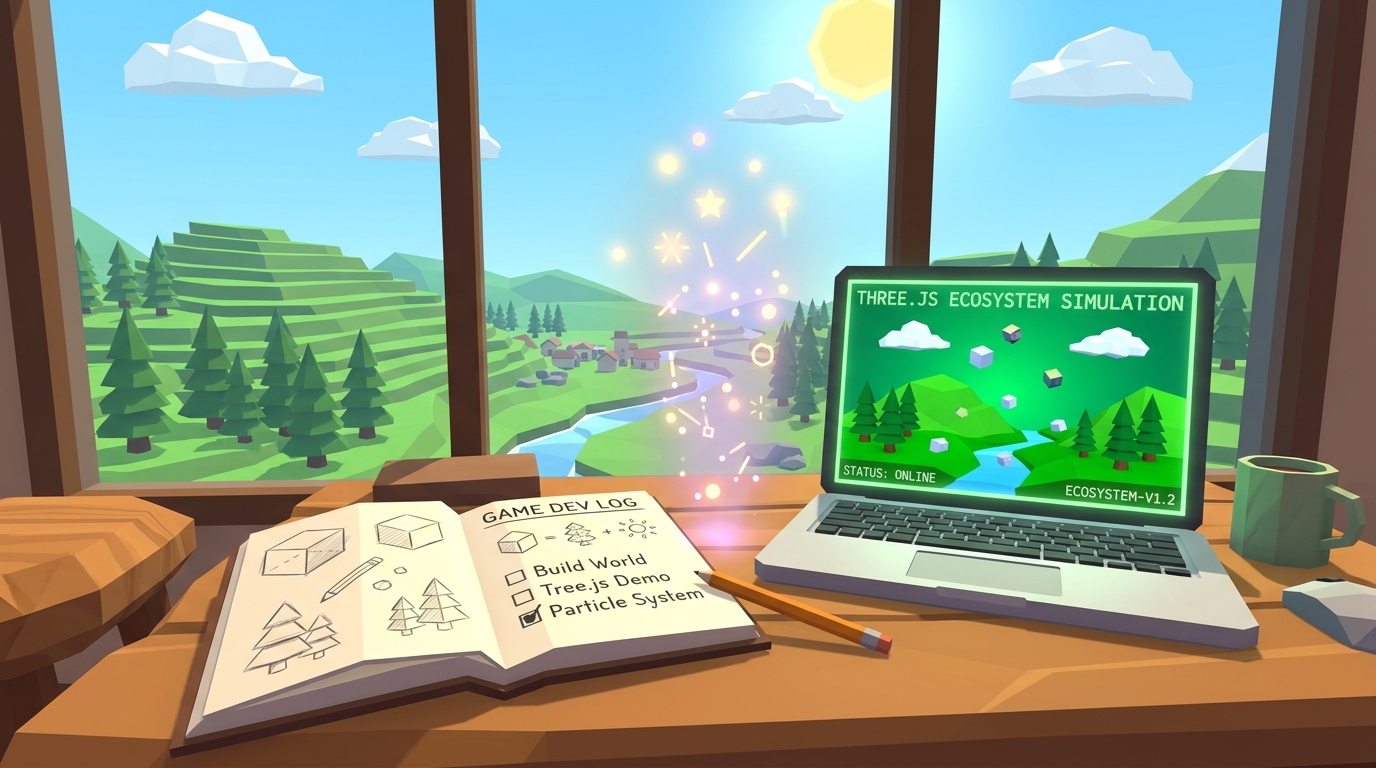
When paired with a physical, pencil-first lab journal where students record hypotheses before touching the screen, digital simulation transforms passive video watching into authentic scientific experimentation.
Inquiry happens when students can test extreme what-if scenarios without fear of failure. A simulation gives children the power to crash an ecosystem and rebuild it from the ground up.
Frequently Asked Questions About Homeschool Biology Curriculum
Practical advice for homeschool parents evaluating curricula for elementary and middle school.
What is the best order to teach science in homeschool?
Can I teach biology without doing physical animal dissections?
Is a digital biology lab sufficient for NGSS standards?
Are all Praxos biology simulation missions and printable journals free?
Test Systems Biology and Ecology in 3D
Give your student a live laboratory where biology concepts run in real time.
Start Level 1 instantly in your browser with zero registration. Unlock all 10 simulation missions and download the complete 24-page Expedition Science Journal 100% free with email.
Step inside Level 01: Solar Spark to manipulate sunlight and moisture, observing how living primary producers react in real time.
START LEVEL 1 FREEBiology Scope & Pacing Guide (PDF)
A complete grades 3-8 life science and biology unit planner, NGSS alignment matrix, and hands-on lab investigation sheets.