The 8 Criteria That Actually Matter When Choosing a Science Curriculum
Selecting a homeschool science curriculum is one of the most consequential decisions in home education. Too often, parents invest in expensive curricula only to find their children overwhelmed by dry reading passages or frustrated by complicated kitchen experiments that fail to demonstrate the intended concept.
Through years of testing educational science models and analyzing parent feedback, I evaluate any curriculum against eight essential criteria:
1. Inquiry Depth: Does the program encourage authentic scientific questioning and hypothesis testing, or simply require multiple-choice answers?
2. Experimentation Friction: How much parent preparation, specialized equipment, and messy cleanup are required to run weekly labs?
3. NGSS Alignment: Does the material cover core standards (such as MS-LS2 ecosystems and computational modeling) expected across grades 3-8?
4. Concept Retention Over Time: Do students retain underlying systems principles months later, or forget vocabulary after finishing the chapter test?
5. Multi-Child Adaptability: Can siblings of different ages (e.g. 3rd and 7th grade) study the same core theme with differentiated expectations?
6. Parent Preparation Time: Can a busy parent open the lesson and begin immediately without spending Sunday afternoon gathering supplies?
7. Active vs. Passive Engagement: Does the student actively manipulate variables, or passively watch videos and fill in blanks?
8. Annual Cost & Reusability: Is the price affordable for families, or does it require continuous expensive consumable subscriptions?
The best homeschool science curricula score highest on inquiry depth, low experiment friction, multi-age adaptability, and conceptual retention over time, prioritizing active scientific modeling over passive vocabulary memorization.
Comprehensive Comparison of 6 Top Homeschool Science Approaches
To help you identify the right fit for your family, here is how the six most popular homeschool science formats compare across core criteria:
| Curriculum Format | Primary Strength | Main Drawback | Parent Prep Time | Best Suited For |
|---|---|---|---|---|
| TRADITIONALTraditional Textbook Mastery | Complete scope and structured test banks | Prone to rapid vocabulary burnout and passive reading | Low (10 min) | Independent middle schoolers preparing for high school |
| LITERATUREClassical / Living Books | Captivating historical narratives and nature focus | Light on quantitative data analysis and physics modeling | Medium (20 min) | Literature-centered Charlotte Mason homeschools |
| UNIT STUDYThematic Unit Studies | High engagement around exciting single topics | Can leave unintended curriculum scope gaps if unmonitored | High (45 min) | Family-style homeschools covering one topic together |
| KIT SUBSCRIPTIONMonthly Subscription Box Kits | Exciting physical hands-on craft materials | High recurring cost ($300+/yr) with one-and-done reagents | Low (10 min) | Tactile kinesthetic learners with extra budget |
| VIDEO PORTALAll-in-One Video Portals | Zero parent teaching required; high video production | Turns science into passive entertainment with low retention | Zero (5 min) | Supplementing visual learners alongside a written spine |
| RECOMMENDED STEMHybrid 3D Simulation + Paper Journal | Infinite zero-mess lab trials + pencil-first data retention | Currently focused on life science and Earth ecology | Zero (Instant) | Families seeking rigorous, inquiry-first STEM intuition |
An Honest Evaluation of Praxos Learning: Strengths and Limitations
As the designer of Praxos Learning, I believe in radical honesty regarding where my curriculum fits in your homeschool roadmap:
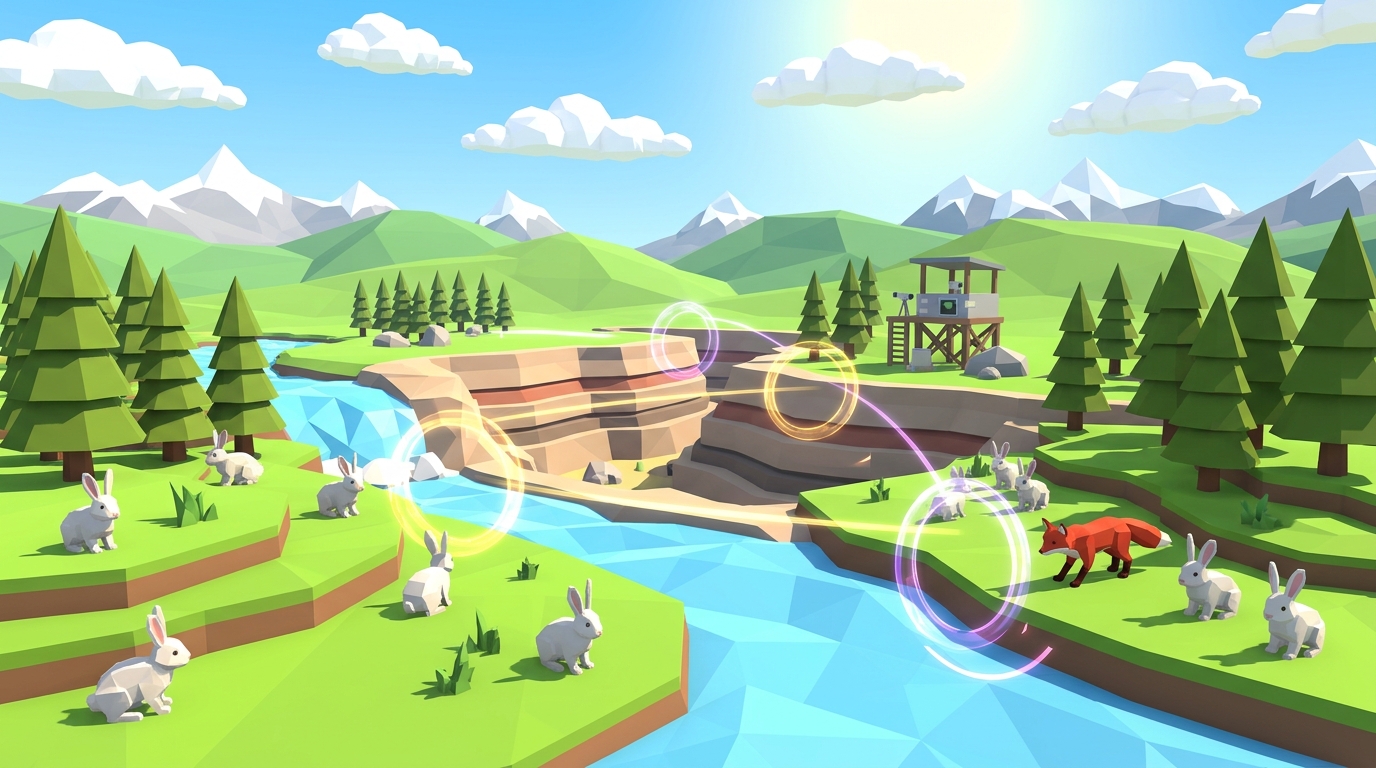
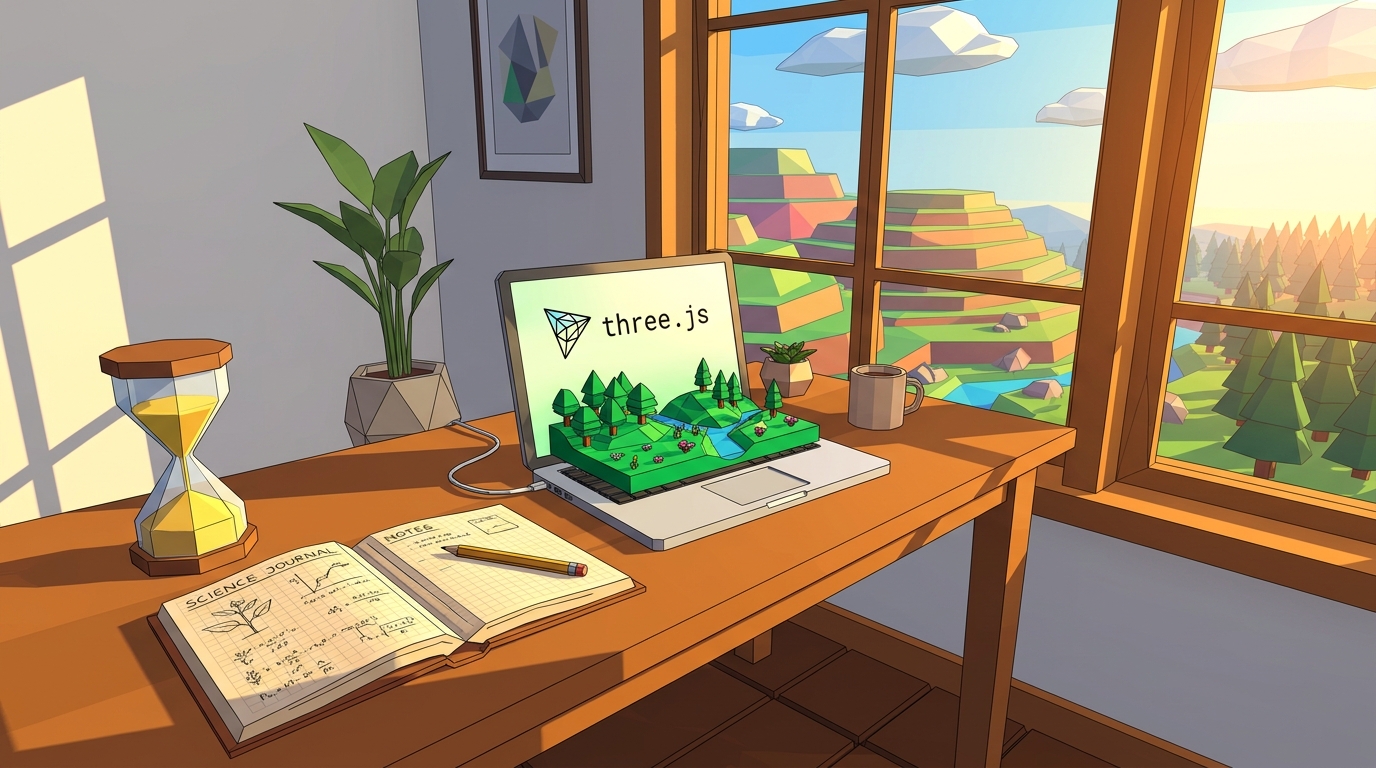
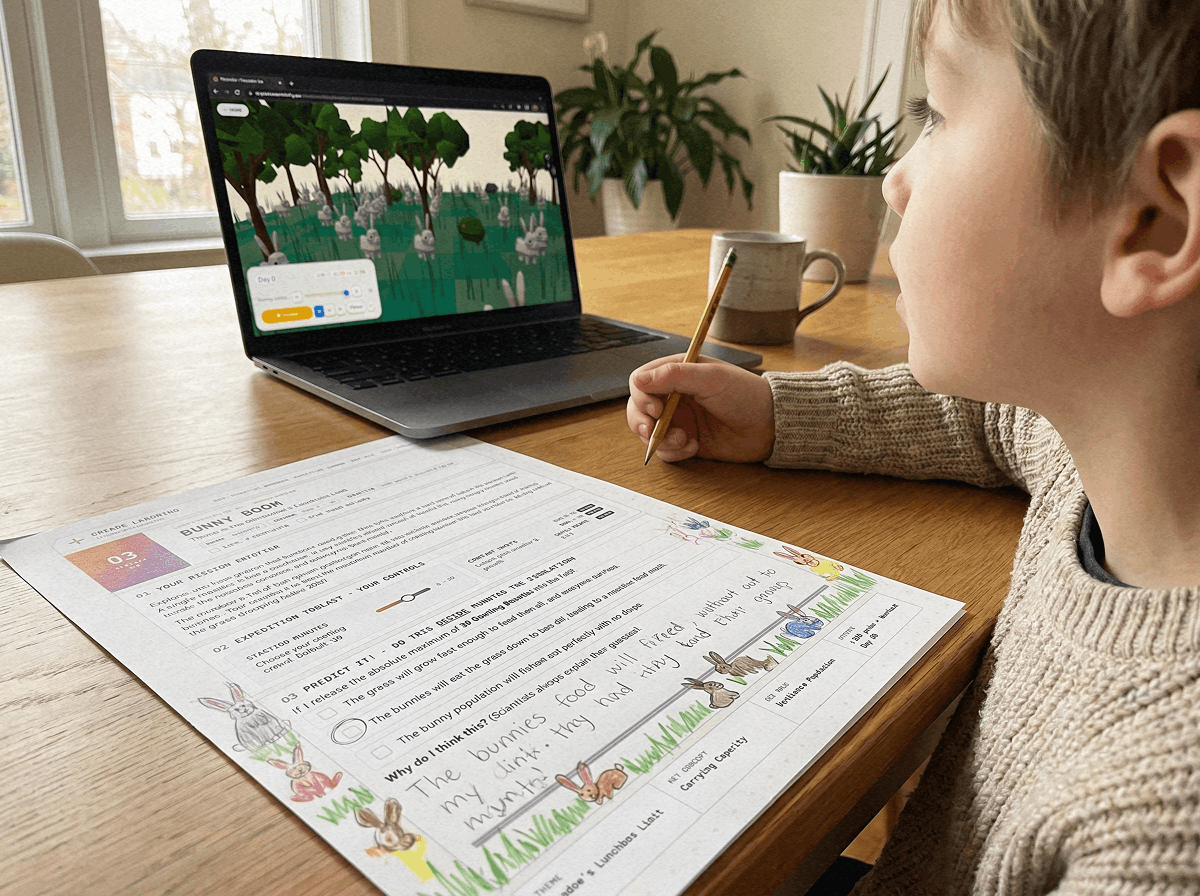
Where Praxos Excels: Praxos provides the world's lowest-friction inquiry laboratory. By pairing a deterministic 3D browser simulation with a physical 24-page Expedition Science Journal, students run real scientific trials (manipulating sunlight, rainfall, and animal populations) while logging pencil-and-paper hypotheses. There is zero mess, zero setup, and zero recurring equipment expense.
Where Praxos Has Limitations: Praxos currently specializes in ecology, life science, and Earth systems (Grades 3-8). If your family requires a full year of organic chemistry or Newtonian mechanics, Praxos serves as the ecology and biology lab module rather than an all-in-one general science curriculum.
For guidance on integrating Praxos with other life science curricula, explore my guides on homeschool biology curriculum guide, life science homeschool curriculum, 5th grade science curriculum, and free homeschool science curriculum.
How to Structure a 3-Day Science Week for Maximum Retention
You do not need to teach science for hours every day to achieve superior academic outcomes. A structured 3-day weekly routine produces exceptional results:
Day 1 (Observation & Prediction / 25 Minutes): Introduce the scientific concept (such as carrying capacity or trophic cascades). Have the student record an explicit hypothesis in their physical lab journal before opening any screen.
Day 2 (Interactive Lab Experimentation / 30 Minutes): Launch the 3D browser simulation. The student tests their hypothesis by manipulating variables across multiple trials, graphing population curves and noting unexpected anomalies.
Day 3 (Data Synthesis & Nature Application / 25 Minutes): The student writes a conclusion in their journal, answers guided reflection questions, and spends 15 minutes outdoors connecting the simulation findings to local wildlife and plants.
Consistency and active inquiry beat marathon cramming sessions every time. Three focused 30-minute sessions per week build deeper retention than daily textbook reading.
Frequently Asked Questions About Homeschool Science Curricula
Straightforward answers to the most common questions from homeschool parents.
What is the best homeschool science curriculum for elementary students?
Are expensive monthly science subscription boxes worth the cost?
How do I know if my homeschool science curriculum meets state standards?
Are all Praxos simulation levels and printable companion journals free?
Test the Top-Rated 3D Science Simulation Free
See how interactive 3D modeling and physical lab logging transform science engagement in your home.
Start Level 1 instantly in your browser with zero registration. Unlock all 10 simulation missions and download the complete 24-page Expedition Science Journal 100% free with email.
Step inside Level 01: Solar Spark to manipulate sunlight and rainfall, watching living plant biomass respond in real time.
START LEVEL 1 FREECurriculum Evaluation Matrix & Scope Guide (PDF)
A complete homeschool science comparison rubric, NGSS alignment map, and 10-week ecology pacing guide.