[ SIM-01 ECOSYSTEM // NGSS MS-LS2 // AGES 7-12 // 20 MISSIONS ]

Interactive Ecosystem Simulation Game20 Real Science Levels

Build living food webs, regulate carrying capacity, and stabilize predator-prey loops in a calm 3D browser laboratory. Paired with printable science journals for zero-prep active discovery.

Carrying CapacityPredator-PreyFood WebsTrophic CascadesInvasive SpeciesKeystone Species
✓ COPPA COMPLIANT✓ 100% AD-FREE✓ NO SUBSCRIPTION✓ RUNS ON CHROMEBOOK★ $2.99 ONE-TIME PASS
Praxos 3D Ecosystem Simulation Digital Lab & Physical Journal
● 3D DETERMINISTIC LAB ENGINE
60 FPS CHROMEBOOK READY
[ DUAL-FORMAT: 3D LAB + EXPEDITION JOURNAL ]LAUNCH 3D LAB →
[ CURRICULUM OUTCOMES ]

What Your Child Learns Across 20 Levels

Every mission isolates one real ecological mechanism and connects it to a hands-on printable lab journal exercise. Concepts build sequentially from bare soil through the full Yellowstone wolf reintroduction case study.

[01]ABIOTIC FACTORS

How sunlight, rainfall, and soil drive the foundation of all living systems.

[02]CARRYING CAPACITY

The invisible population ceiling every habitat imposes on its residents.

[03]PREDATOR-PREY DYNAMICS

How apex predators prevent herbivore booms from stripping ecosystems bare.

[04]ENVIRONMENTAL STRESS

Drought, winter freeze, and habitat fragmentation as forces of selection.

[05]COMPETITIVE EXCLUSION

Why two species cannot share the exact same niche indefinitely.

[06]SYSTEMS THINKING

Feedback loops, tipping points, and non-linear collapse in living networks.

20 MISSIONS. 20 REAL SCIENCE CONCEPTS.NGSS MS-LS2 ALIGNED (AGES 7-12)
[ Phase 1: Foundational Ecosystem (Levels 01-05) ]
Level 01: Bare Dirt Genesis ecosystem simulationLV 01● LIVE
ABIOTIC FACTORS

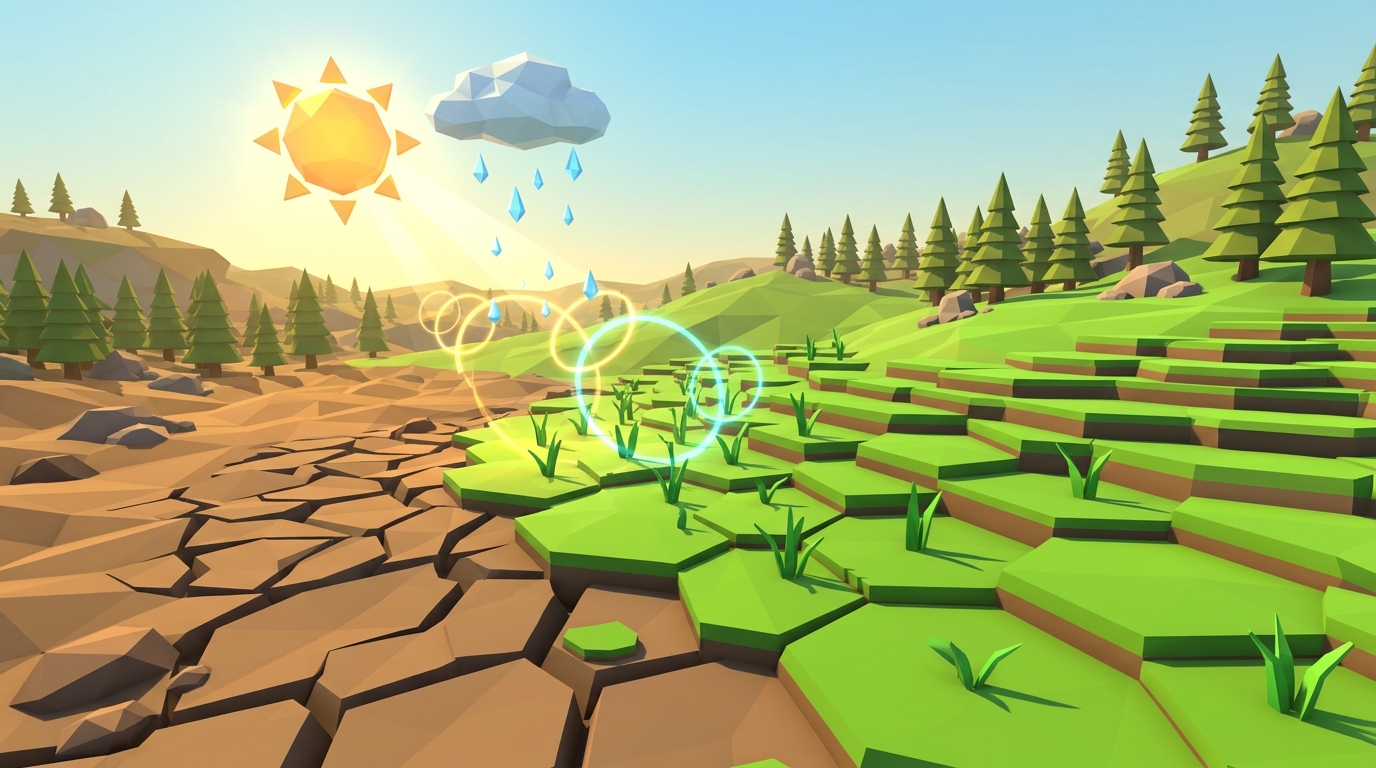
Level 01: Bare Dirt Genesis

An empty field of bare dirt has everything a living world needs. Add sunlight and rain, and grass breaks through in days.

Level 02: First Guests ecosystem simulationLV 02● LIVE
PRIMARY CONSUMERS

Level 02: First Guests

The first hungry herbivores arrive and the grass disappears fast. Learn how producers and consumers must stay in balance.

Level 03: Bunny Boom ecosystem simulationLV 03● LIVE
CARRYING CAPACITY

Level 03: Bunny Boom

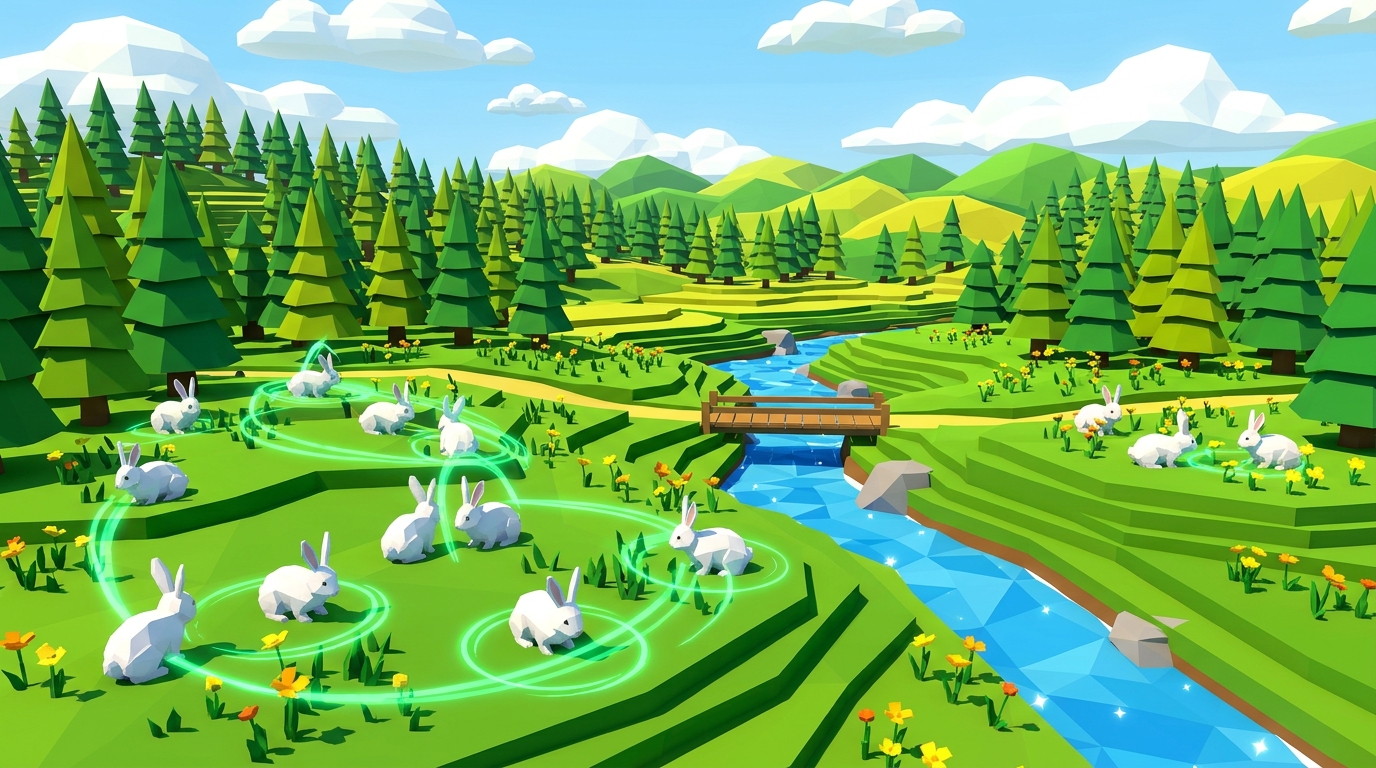
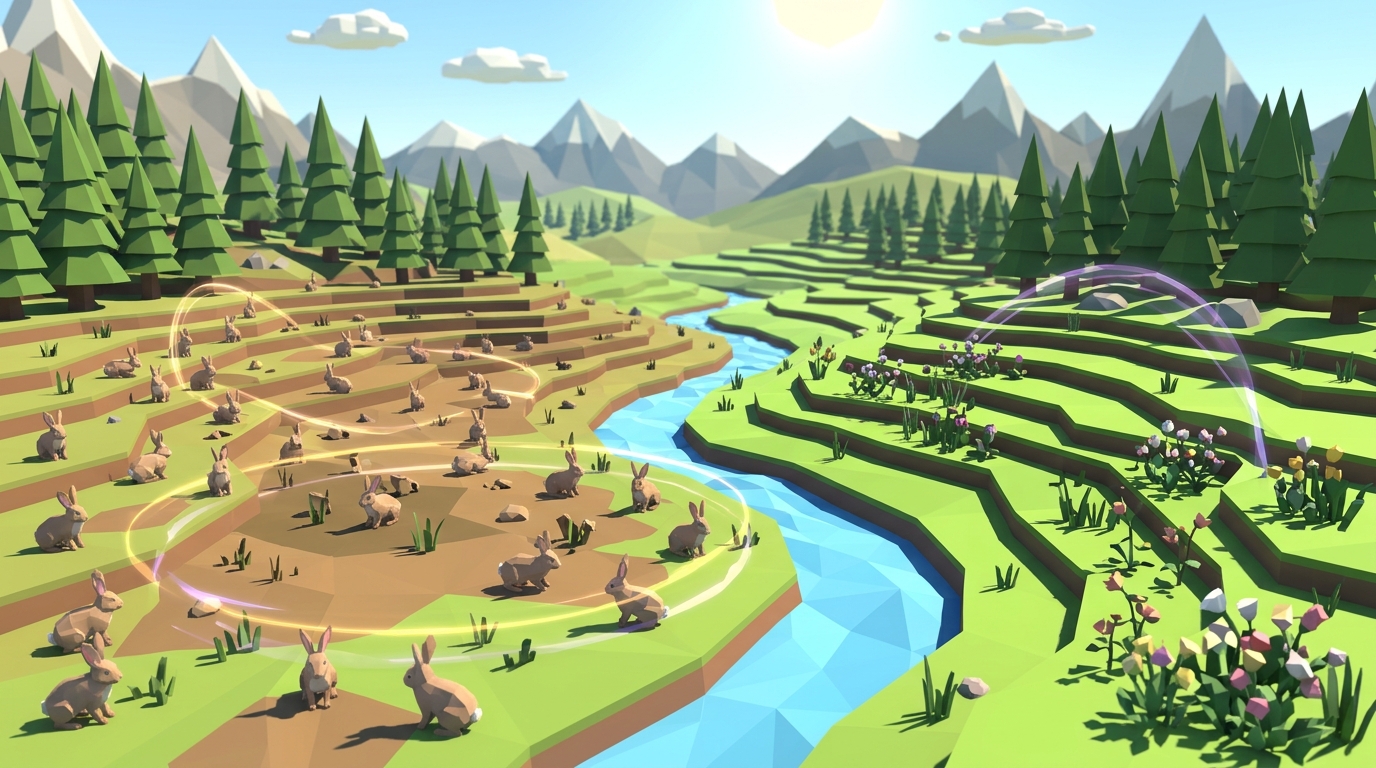
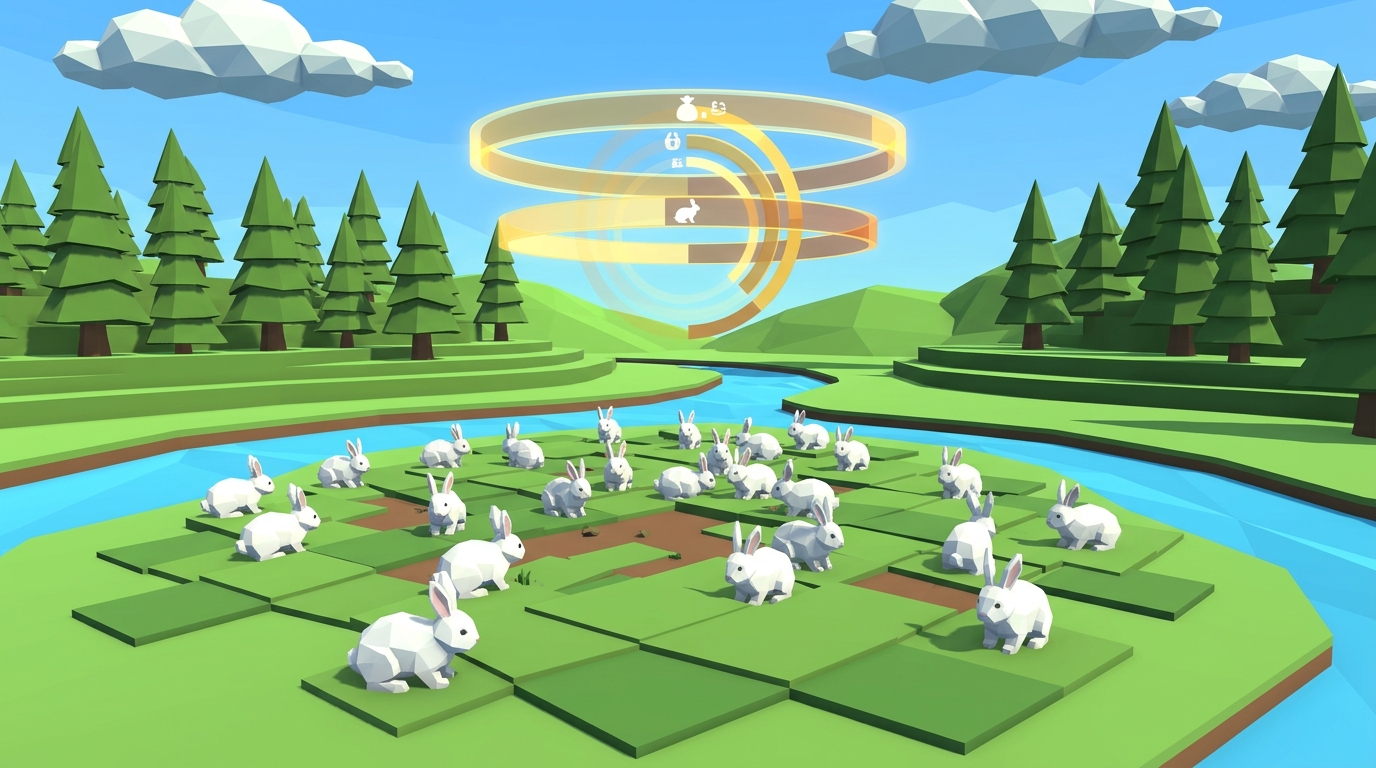
Too many bunnies eat every last blade of grass. Discover the invisible ceiling every population crashes into.

Level 04: The Gray Shadow ecosystem simulationLV 04● LIVE
APEX PREDATORS

Level 04: The Gray Shadow

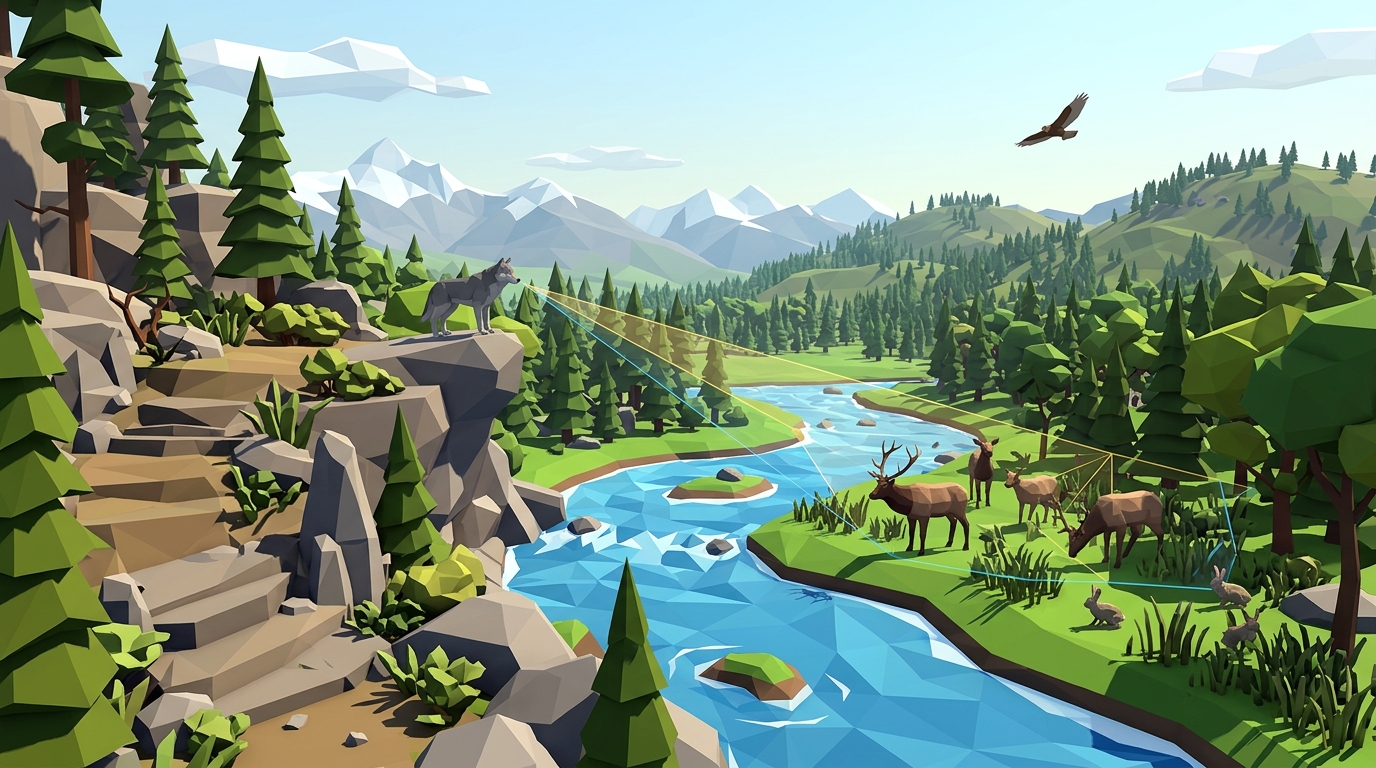
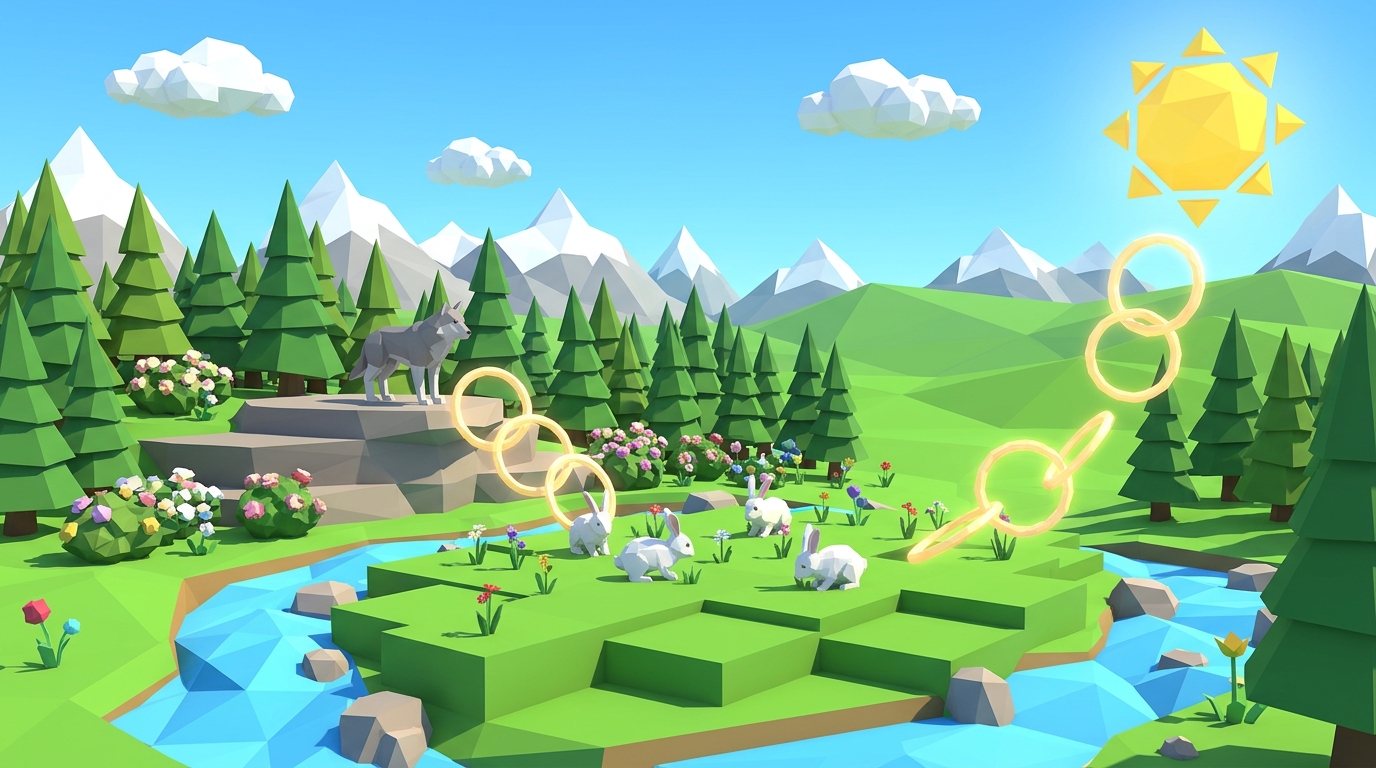
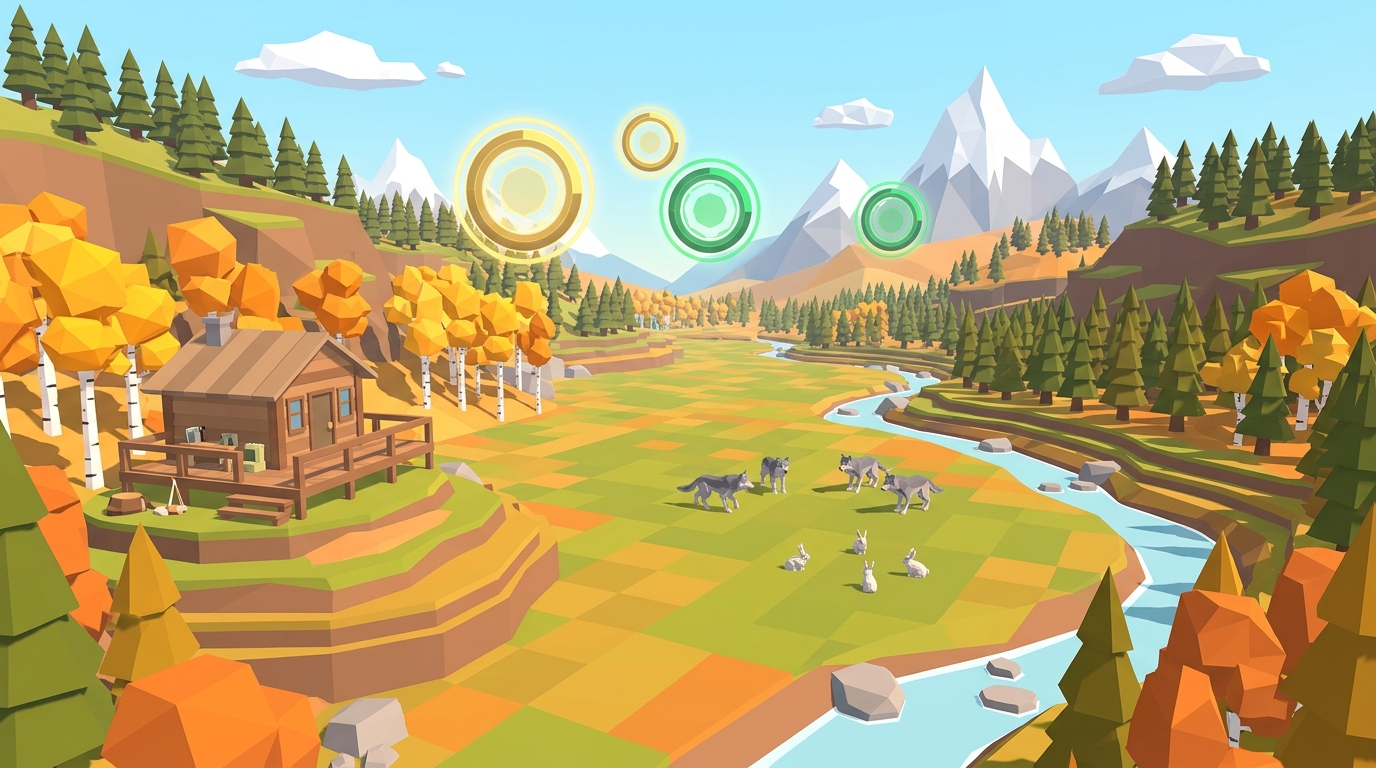
Bring in the wolves! Watch how one predator prevents the entire meadow from being eaten into dust.

Level 05: Dynamic Equilibrium ecosystem simulationLV 05● LIVE
POPULATION OSCILLATIONS

Level 05: Dynamic Equilibrium

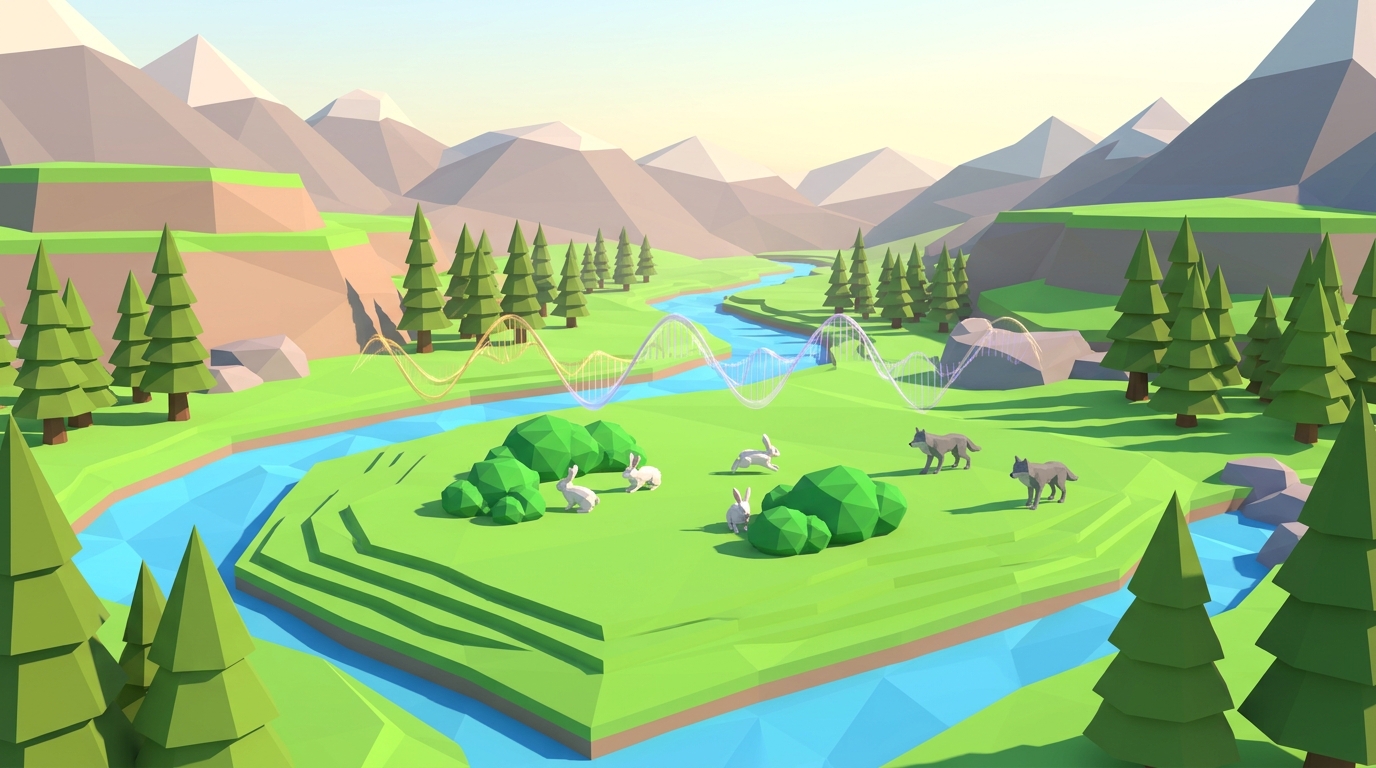
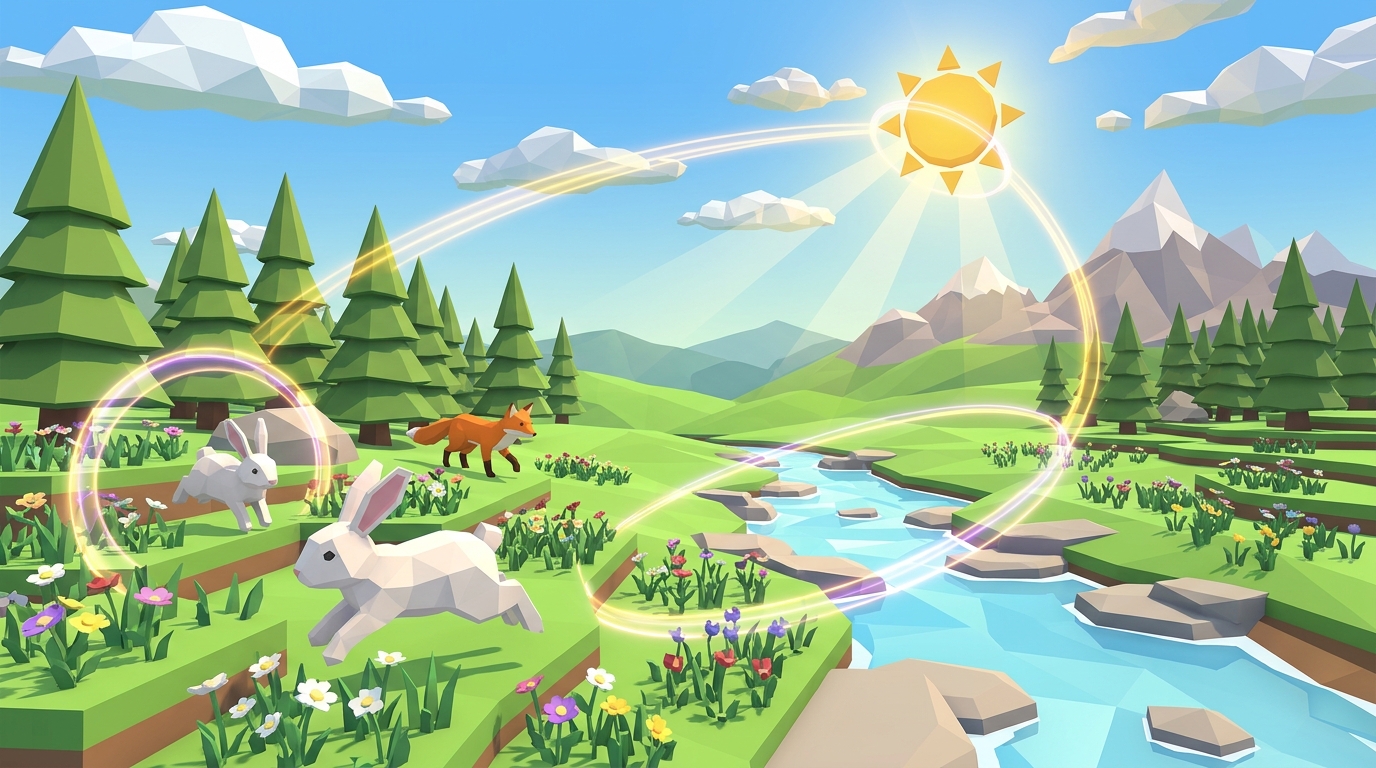
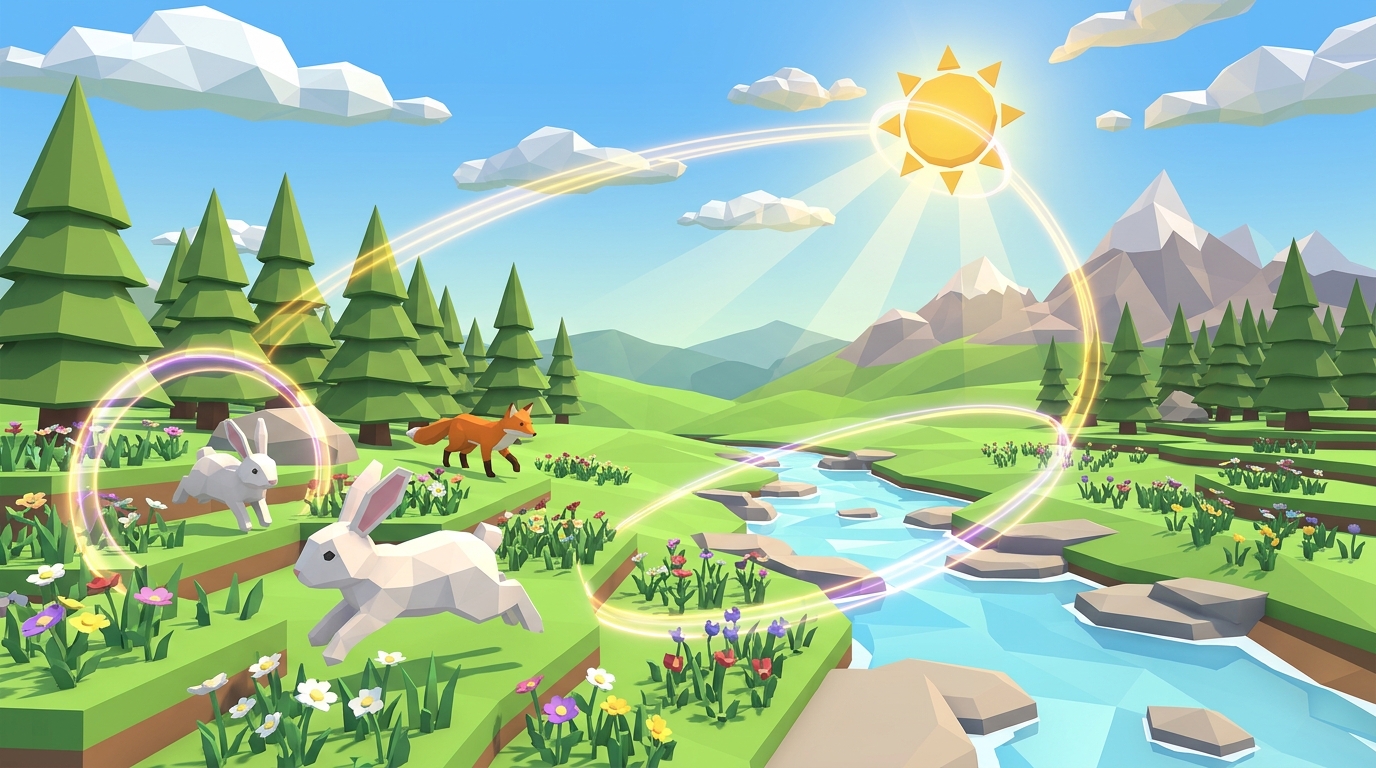
Predators and prey rise and fall together in a wave. Balance is not a fixed point; it is a living rhythm.

[ Phase 2: Environmental Pressures (Levels 06-10) ]
Level 06: Drought Warning ecosystem simulationLV 06● LIVE
ABIOTIC STRESS

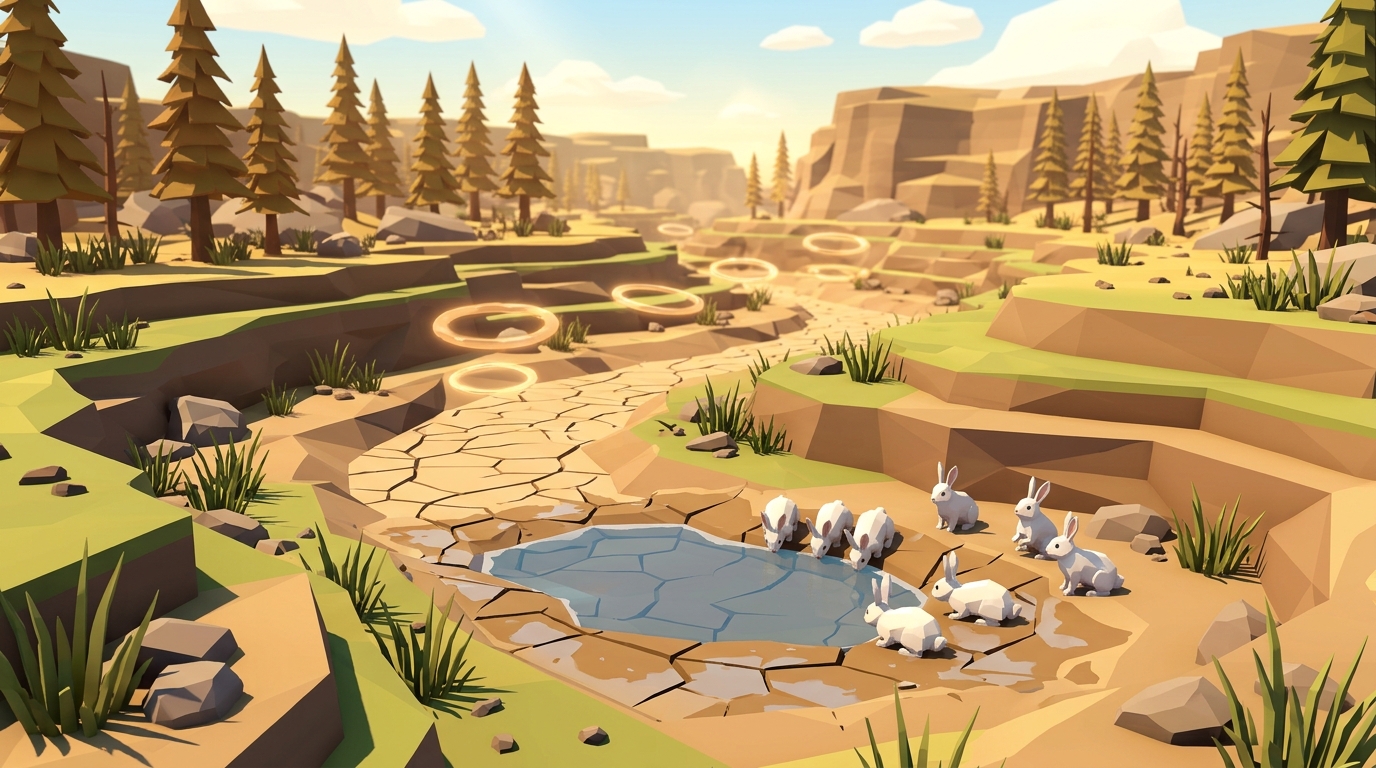
Level 06: Drought Warning

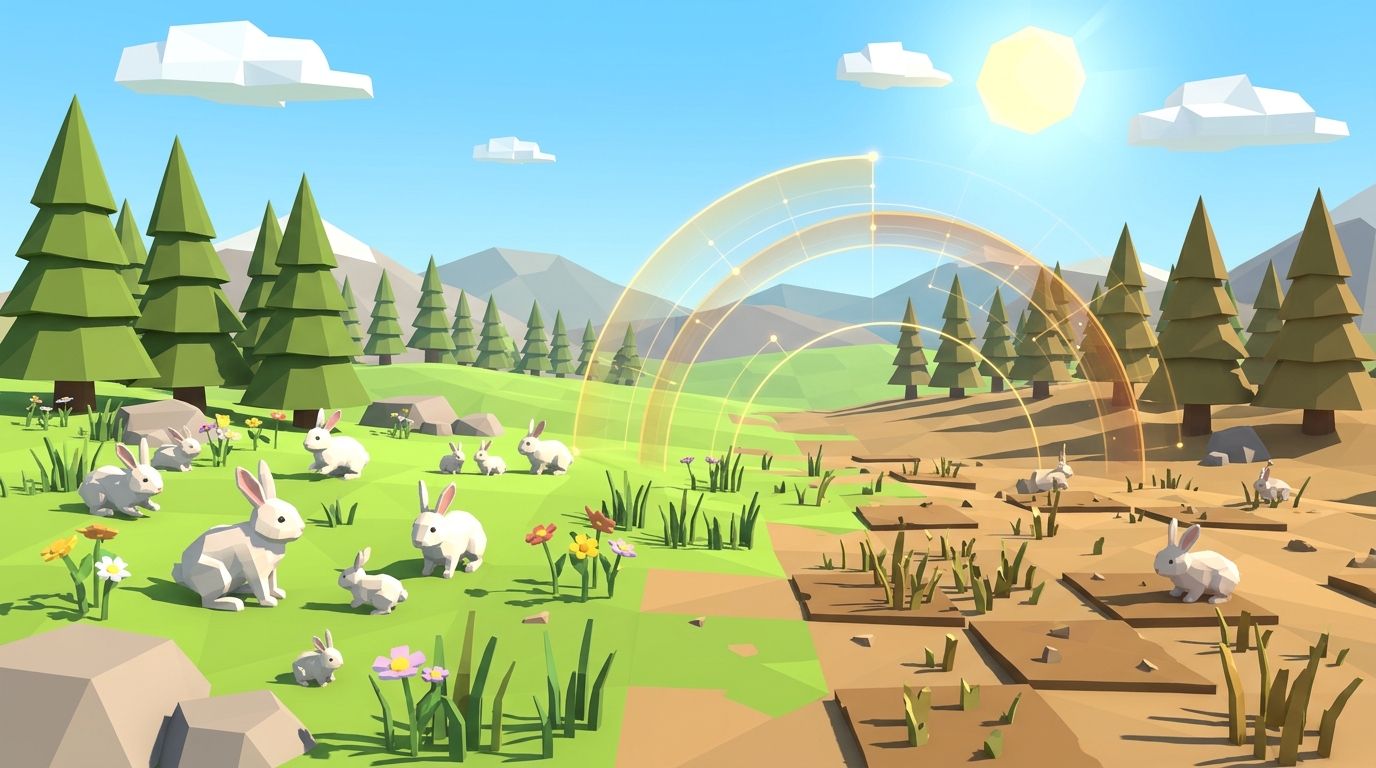
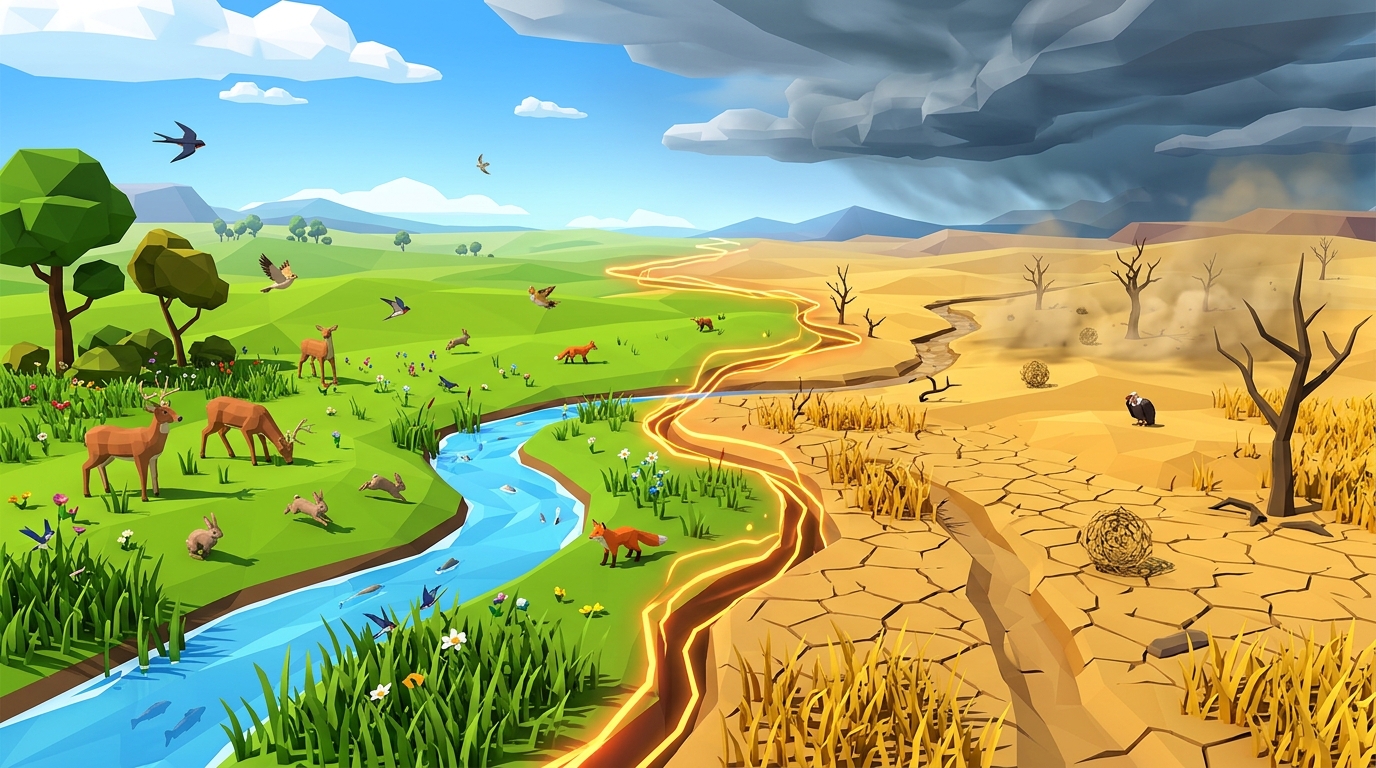
A river dries to cracked mud and grass stops growing. Plan your herd size before the drought arrives, or everyone starves.

Level 07: Winter Freeze ecosystem simulationLV 07● LIVE
SEASONAL ADAPTATIONS

Level 07: Winter Freeze

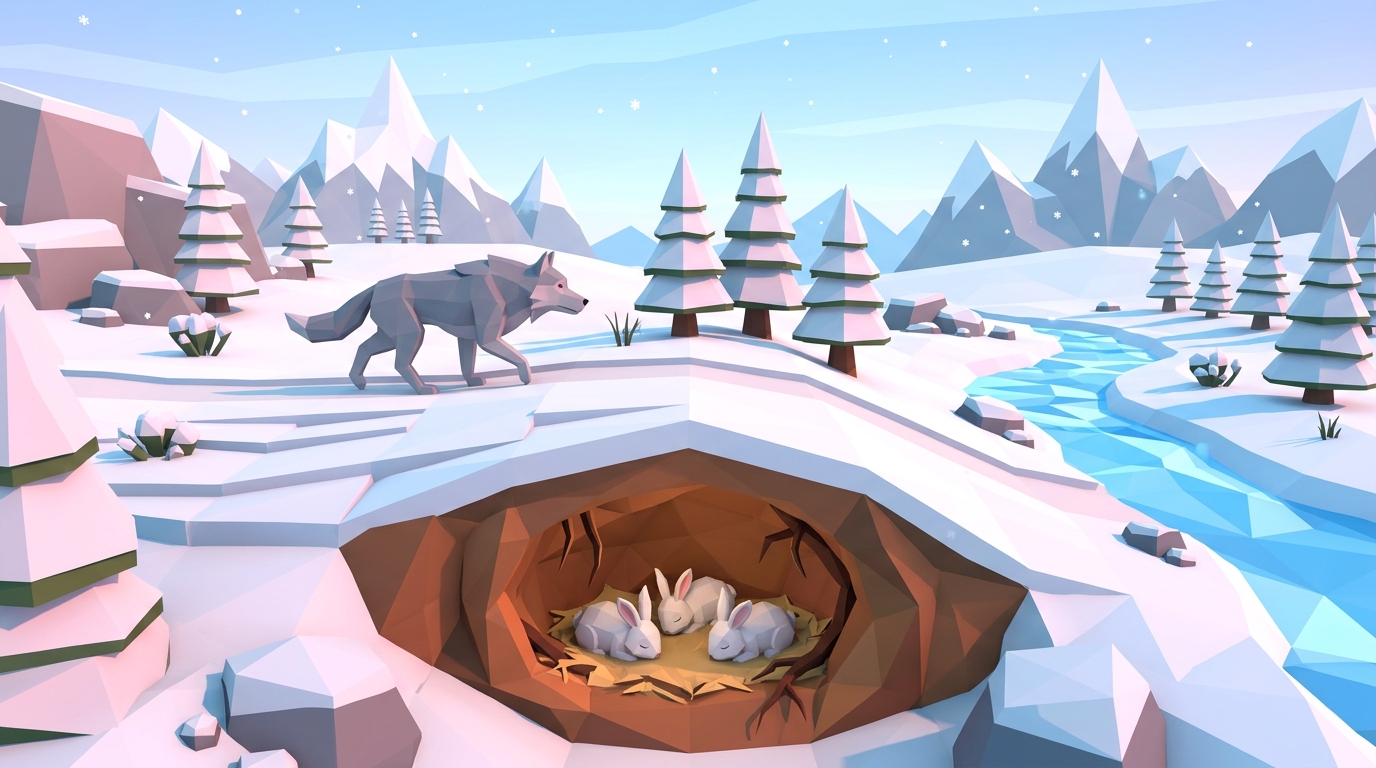
When snow falls and grass stops growing, animals burn energy twice as fast. Build burrows and grow thick fur to survive.

Level 08: The Great Migration ecosystem simulationLV 08● LIVE
HABITAT FRAGMENTATION

Level 08: The Great Migration

A canyon splits the meadow in two. Build a wildlife bridge wide enough for rabbits to cross without being ambushed.

Level 09: Too Many Mouths ecosystem simulationLV 09● LIVE
COMPETITIVE EXCLUSION

Level 09: Too Many Mouths

Deer and rabbits eat the exact same grass. One will push the other to extinction unless you give them different foods.

Level 10: Picky Eaters ecosystem simulationLV 10● LIVE
SPECIALIST VS GENERALIST

Level 10: Picky Eaters

A picky eater that only eats berries thrives until a plant blight wipes them out. Flexibility is a survival superpower.

[ Phase 3: Complex Food Web Dynamics (Levels 11-15) ]
Level 11: The Cleanup Crew ecosystem simulationLV 11● LIVE
DECOMPOSERS

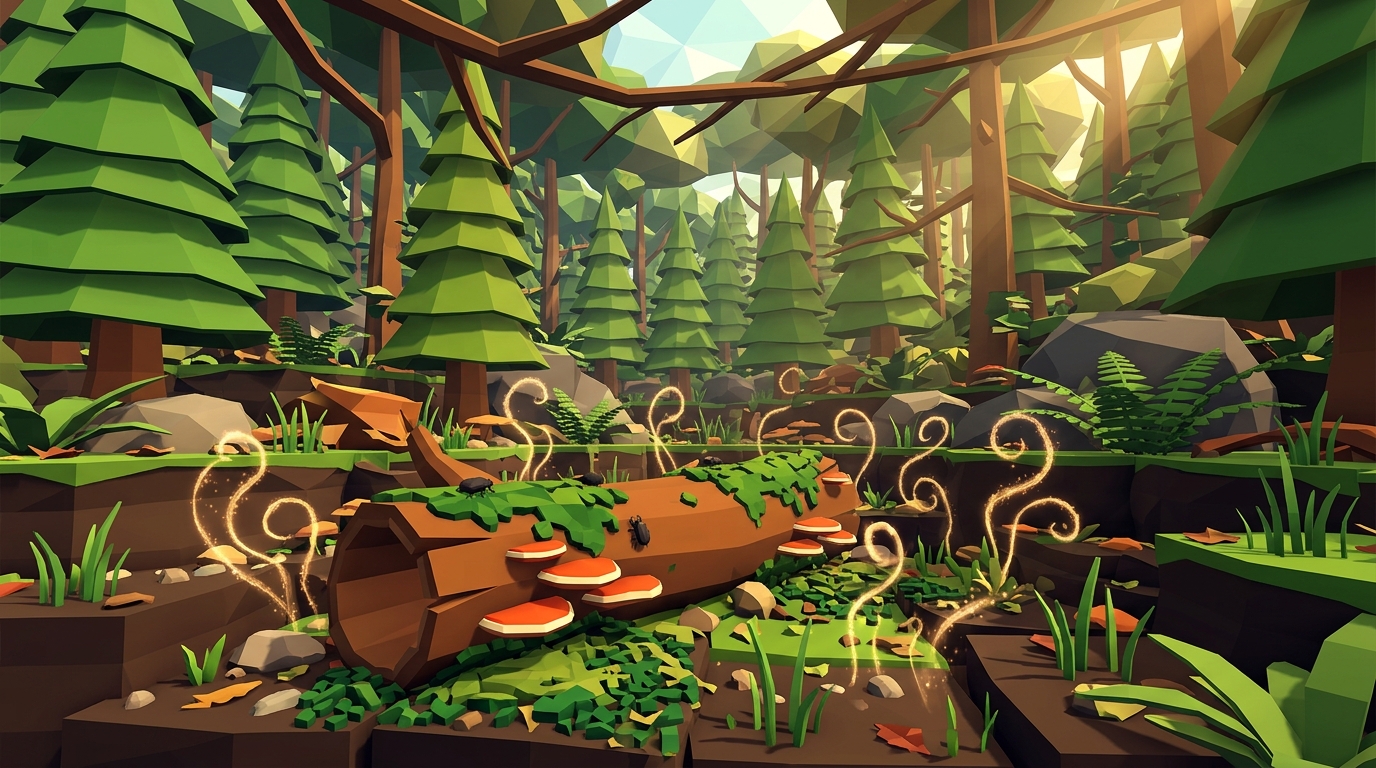
Level 11: The Cleanup Crew

Nothing in nature is wasted. Mushrooms, beetles, and bacteria turn dead animals into rich soil that feeds new grass.

Level 12: The Hunters ecosystem simulationLV 12● LIVE
TROPHIC COLLAPSE

Level 12: The Hunters

Hunting too many wolves lets rabbit herds explode and eat every blade of grass. Predators protect the whole valley.

Level 13: The Invaders ecosystem simulationLV 13● LIVE
INVASIVE SPECIES

Level 13: The Invaders

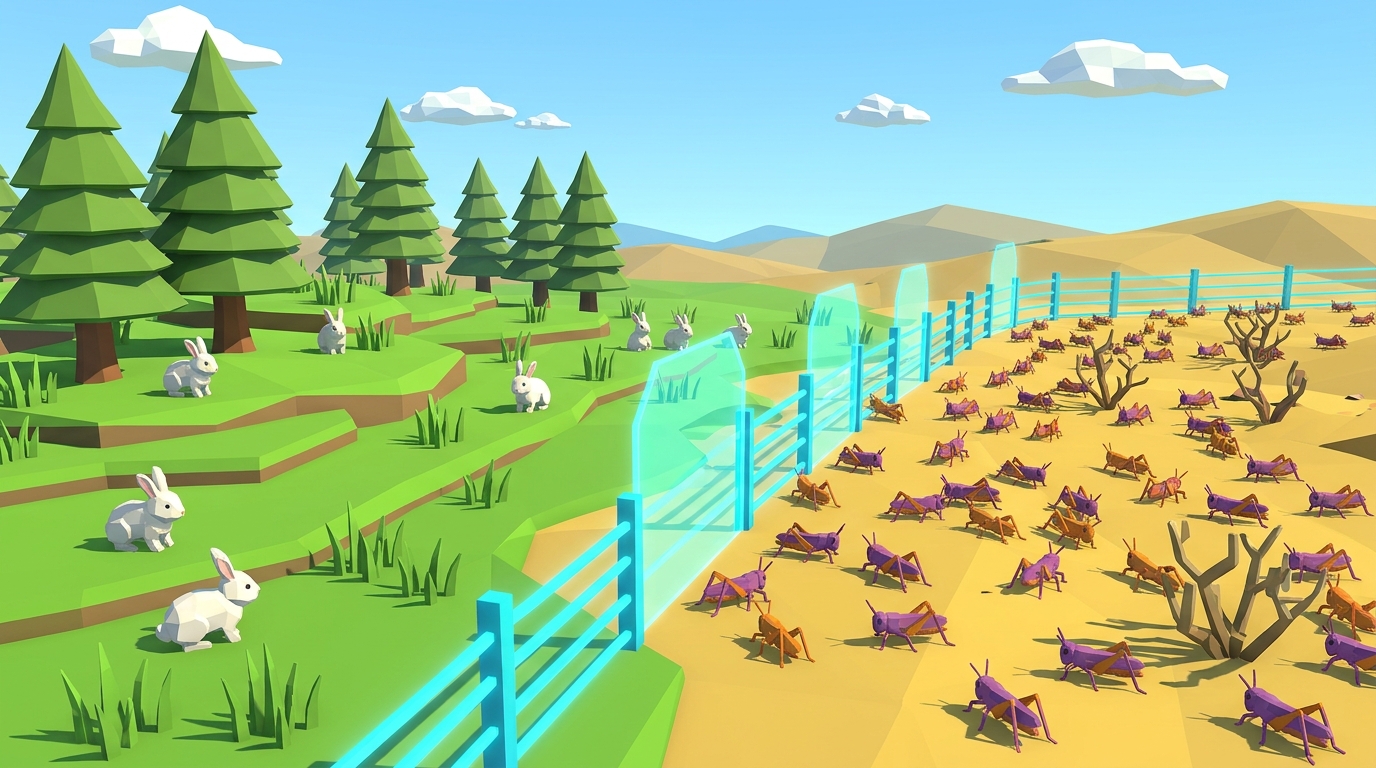
A swarm with no predators spreads like wildfire. Act fast with quarantine fences before the budget runs out.

Level 14: Sickness Spreads ecosystem simulationLV 14● LIVE
EPIDEMIC DYNAMICS

Level 14: Sickness Spreads

Animals packed too tight spread disease in days. Spread them out and diversify their genes to build a natural shield.

Level 15: After the Fire ecosystem simulationLV 15● LIVE
ECOLOGICAL SUCCESSION

Level 15: After the Fire

A wildfire leaves black ash, but life returns in stages. Plant pioneer grasses first; climax oaks can only come last.

[ Phase 4: Keystone Mastery and Earth Systems (Levels 16-20) ]
Level 16: The Food Web ecosystem simulationLV 16● LIVE
NETWORK RESILIENCE

Level 16: The Food Web

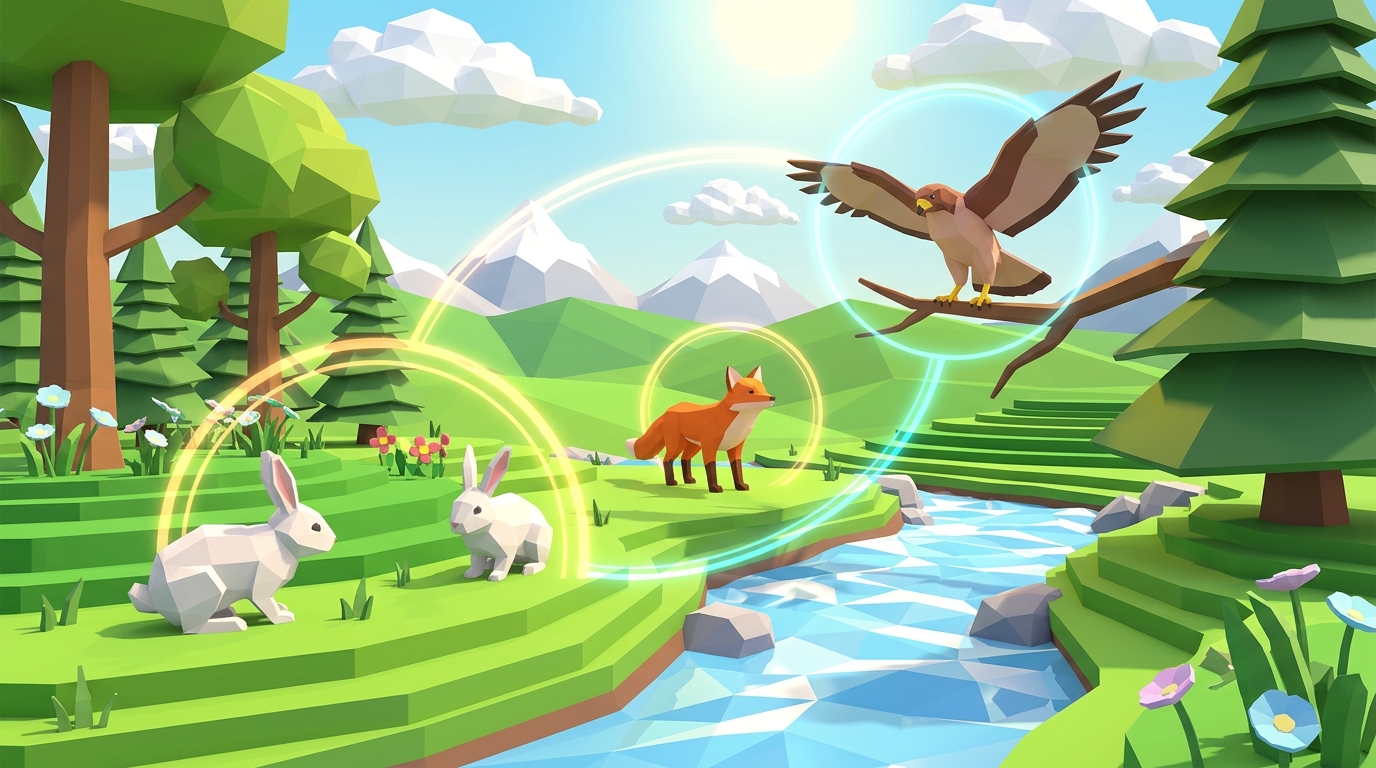
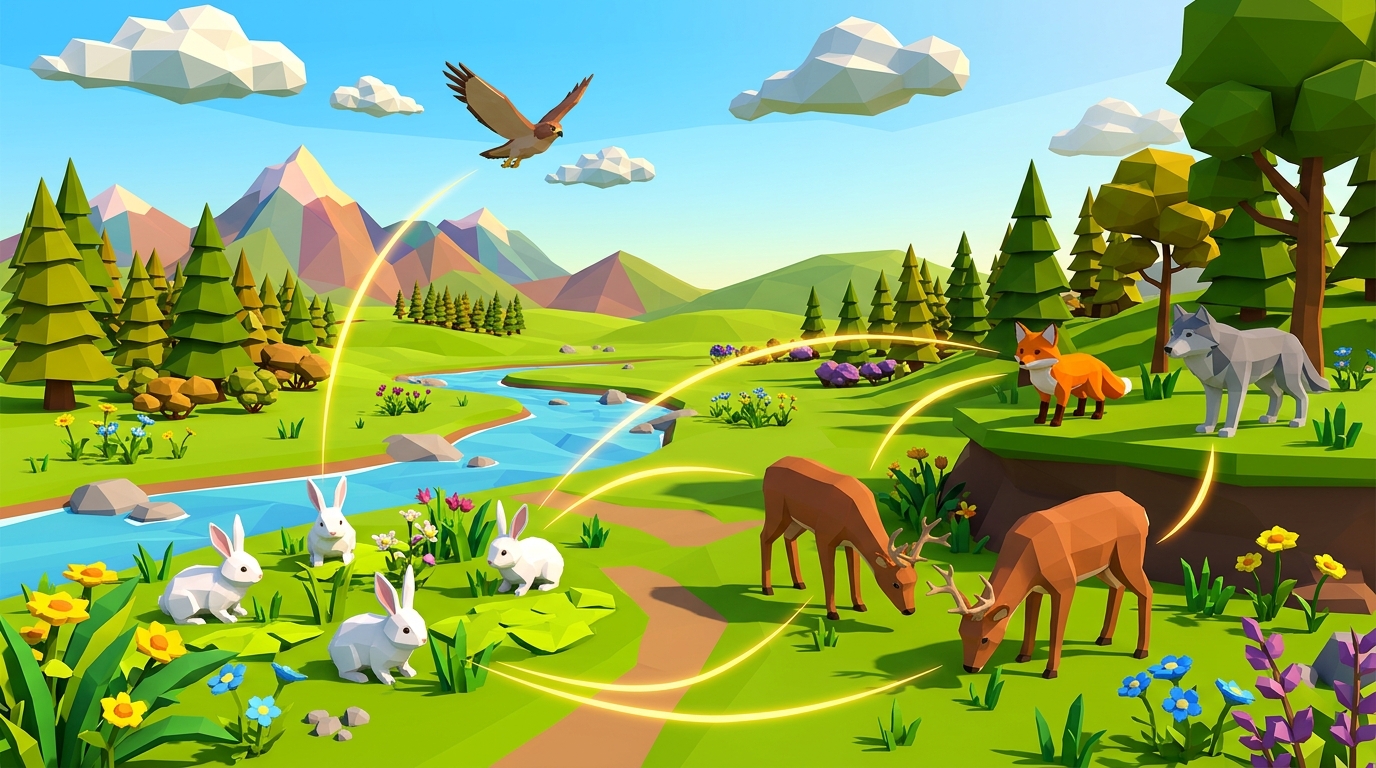
A single food chain breaks like one string of lights. A food web is a rope net: one path breaks, animals find another.

Level 17: The Keystone ecosystem simulationLV 17● LIVE
KEYSTONE SPECIES

Level 17: The Keystone

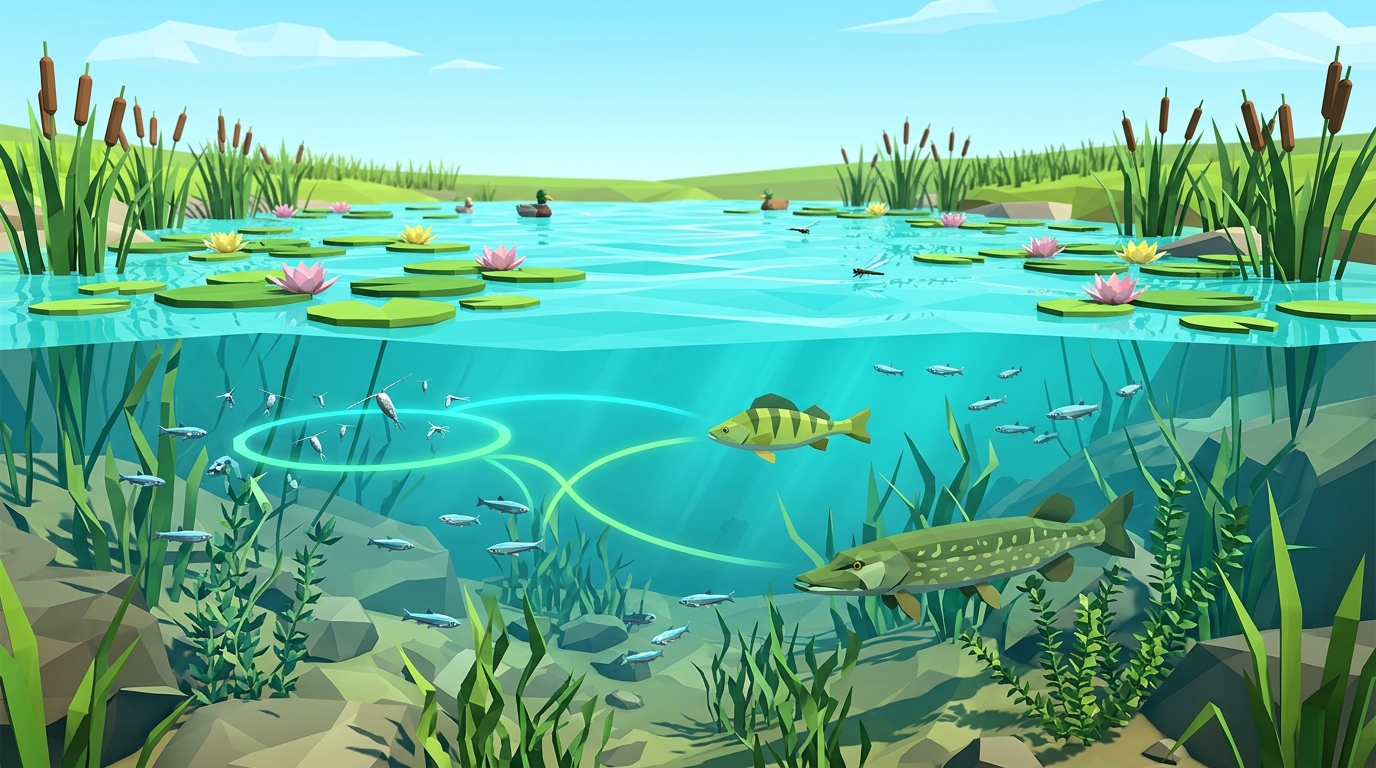
Beavers build dams that create ponds for ducks, fish, and trees. Remove one small animal and the entire valley dries up.

Level 18: The Tipping Point ecosystem simulationLV 18● LIVE
NON-LINEAR COLLAPSE

Level 18: The Tipping Point

The ocean looks fine until it suddenly is not. Cross the temperature threshold and the kelp forest snaps in an instant.

Level 19: Build Your Biome ecosystem simulationLV 19● LIVE
200-DAY SANDBOX

Level 19: Build Your Biome

You are the Chief Biosphere Architect. Design an entire living world from scratch and watch it run for 200 autonomous days.

Level 20: Save the Real World ecosystem simulationLV 20● LIVE
YELLOWSTONE 1995

Level 20: Save the Real World

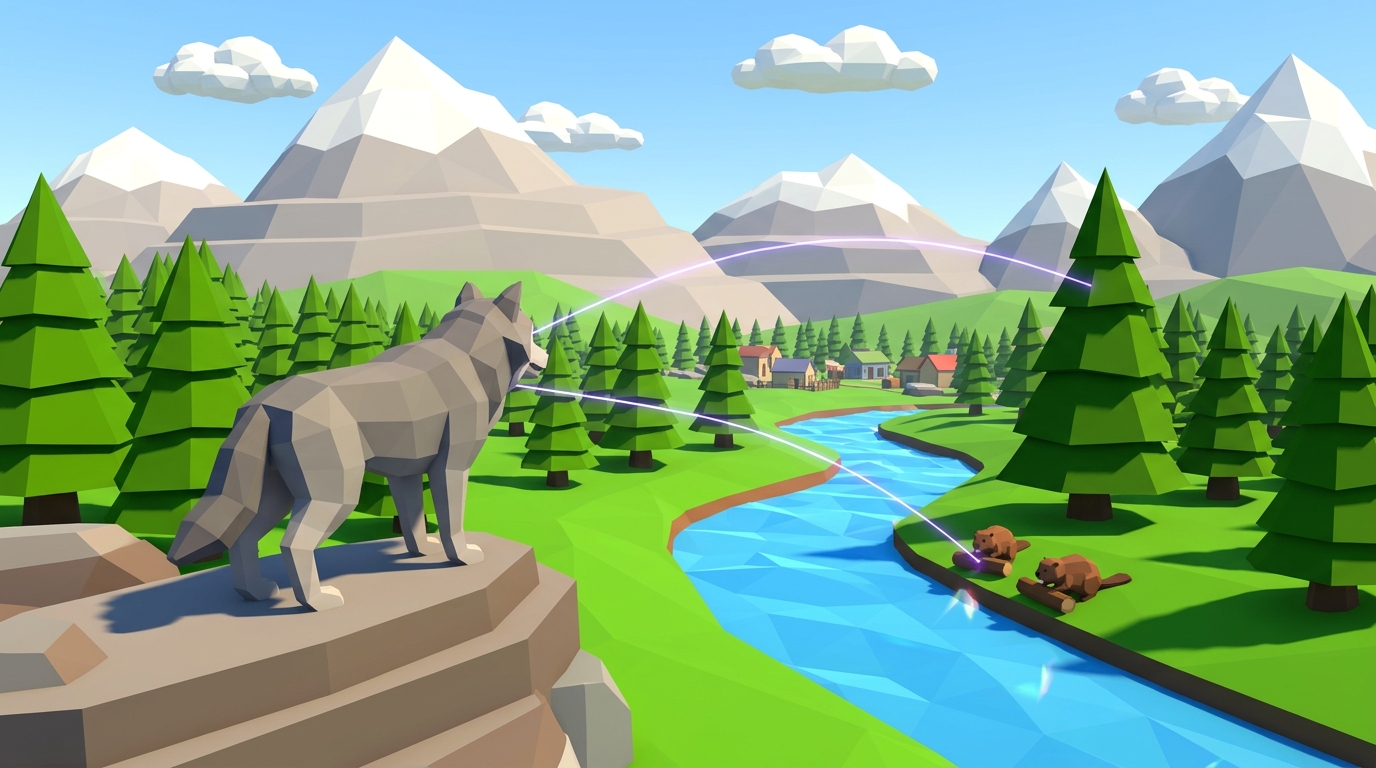
This actually happened. Reintroduce 14 wolves to Yellowstone and watch rivers, beavers, and songbirds return to life.

[ YOUR TWO PATHS ]

Start Free. Unlock Everything for $2.99.

Zero ads. Zero subscriptions. One transparent one-time payment to access all 20 levels, the printable lab journal, and the full Yellowstone capstone mission.

[ FREE ]

Try Level 1 Free

  • ✓ Level 1 (Bare Dirt Genesis) free, no signup
  • ✓ Levels 2-10 unlock with parent email
  • ✓ 24-Page printable lab journal (PDF)
  • ✓ No credit card required
[ TRY LEVEL 1 FREE NOW ]
[ $2.99 ONE-TIME ]

Unlock All 20 Levels

  • ✓ All 20 simulation missions (Phases 1-4)
  • ✓ Yellowstone 1995 capstone case study
  • ✓ 200-Day autonomous biome sandbox
  • ✓ Certificate of Scientific Mastery (printable)
  • ✓ Lifetime access, no recurring fees
  • ✓ 30-day money-back guarantee
[ UNLOCK ALL 20 LEVELS ($2.99) ]

30-DAY MONEY-BACK GUARANTEE  |  INSTANT BROWSER ACCESS  |  WORKS ON CHROMEBOOK, IPAD, DESKTOP

[ THE PRAXOS DUAL-FORMAT METHOD ]

3D Simulation Plus Printable Lab Journal

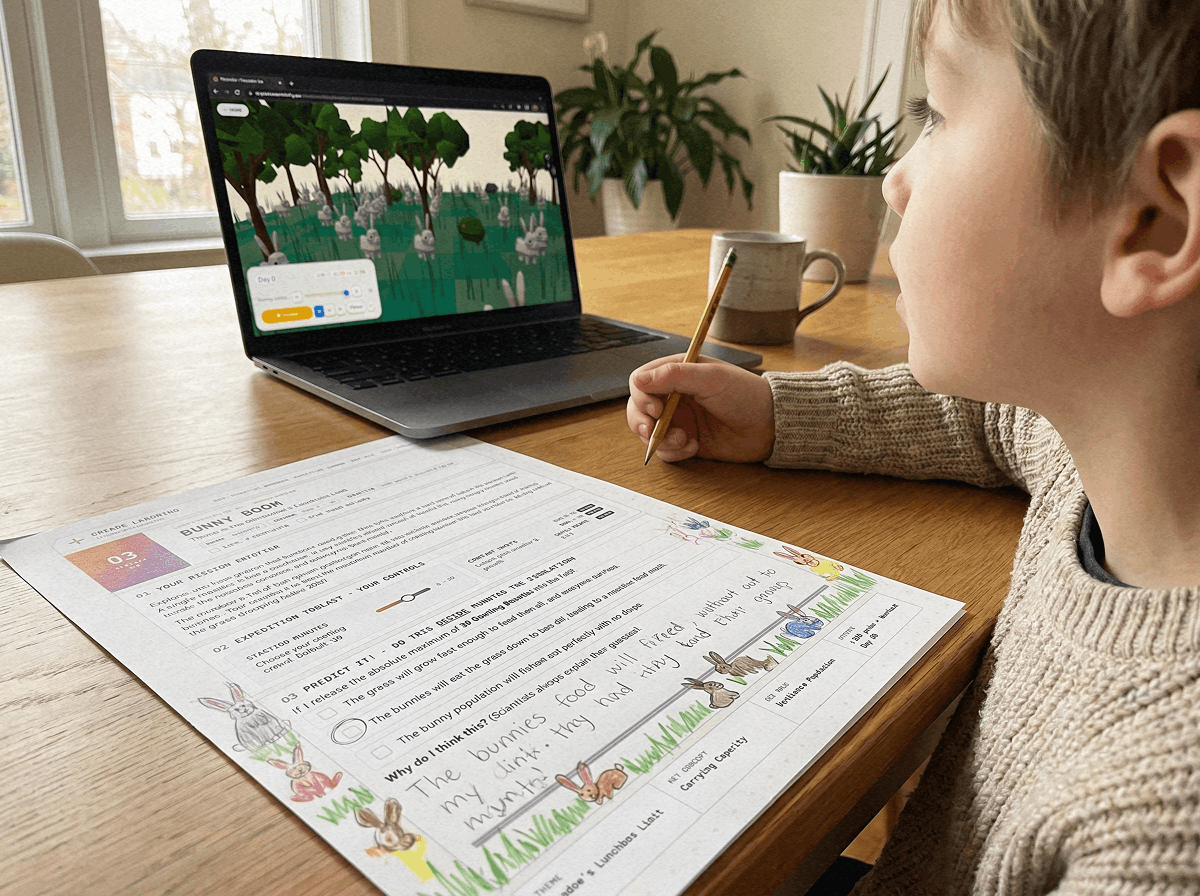
Passive gaming stimulates dopamine without reflection. Praxos pairs every simulation run with a printed paper field notebook, requiring children to write predictions before touching sliders and reflect offline after each mission.

[01]PRE-RUN HYPOTHESIS

Write It Before You Touch It

Children write scientific predictions in the physical lab journal before any simulation slider is unlocked.

[02]3D ENGINE

Deterministic Simulation Run

1 tick equals 1 day. Controlled parameter experiments enable true scientific reproducibility and data logging at 60 FPS.

[03]OFFLINE SYNTHESIS

Reflect on Paper After the Run

Kids graph population curves, analyze collapses, and complete synthesis diagrams away from any digital screen.

[ FAQ ]

Common Questions

How many levels are completely free?

Level 1 (Bare Dirt Genesis) is free with no account or email required. Levels 2 through 10 unlock automatically when you submit a parent email address. The full 20-level journey unlocks for a one-time payment of $2.99 with no recurring fees.

What age group is this designed for?

The Ecosystem simulation is designed for children aged 7 to 12, covering grades 3 through 7. The 3D engine and controls are intentionally simple, while the ecological concepts align with NGSS middle school life science standards (MS-LS2-1 through MS-LS2-5).

Does it work on Chromebooks and tablets?

Yes. The 3D engine runs at 60 frames per second on 5-year-old Chromebooks and basic tablets. There is nothing to install; it runs entirely in the browser on any device with a modern Chrome or Safari browser.

What do I get for the $2.99 one-time payment?

Lifetime access to all 20 ecosystem simulation levels, including Phase 3 (complex food webs, invasive species, epidemics) and Phase 4 (keystone species, tipping points, the 200-day sandbox, and the Yellowstone 1995 wolf reintroduction case study). One payment, no subscription, no renewal.

Is this aligned with NGSS science standards?

Yes. Every level is mapped to specific Next Generation Science Standards: MS-LS2-1 (population dynamics), MS-LS2-2 (competitive exclusion), MS-LS2-3 (cycling of matter), MS-LS2-4 (ecosystem disruption), and MS-LS2-5 (biodiversity). Each level guide in the Resources section includes the full NGSS alignment.

What is carrying capacity and when does my child learn it?

Carrying capacity is the maximum population a habitat can support before resources run out. In Level 3 (Bunny Boom), children discover this directly by watching rabbit populations overshoot the grass supply and collapse. It is one of the most memorable moments in the simulation.

[ START TODAY ]

The Most Hands-On Food Web Simulation Game Online

20 missions. 20 real science breakthroughs. One tiny one-time fee with no subscriptions, no ads, and a 30-day money-back guarantee.

[ TRY LEVEL 1 FREE ][ UNLOCK ALL 20 LEVELS ($2.99) ]